
How One Tenant’s Vision Created Lasting Community Impact
Meet Deqa Nur, a Toronto Community Housing (TCHC) tenant who transformed her neighbours’ struggles into an initiative that reshaped her community.
Strengthening community from the ground up
How can you strengthen the community when you have no formal authority, no organizational budget, and no title on your door?
For Deqa Nur, a TCHC tenant for over a decade, strengthening community meant seeing what her neighbors needed and taking action. Her leadership emerged through TCHC’s tenant engagement programs, led by the operations team under Chief Operating Officer, Nadia Gouveia. In 2018, Deqa participated in a 12-week internship program, then connected with TCHC’s Tenant Engagement System, a platform that brings tenant voices into local and corporate decision-making. As a formally elected tenant representative, Deqa gained direct access to TCHC operations, executive leadership, and political representatives, enabling her to amplify community needs at every level.
Today, her grassroots efforts have resulted in economic empowerment for hundreds of Somali-Canadian mothers, digital access for families during a pandemic, and a $20 million federal commitment to build the Somali Centre for Culture and Recreation, a 100,000 square foot facility for future generations.
When systems fail, neighbours step up
In 2017, Deqa recognized a reality that statistics couldn’t capture: Somali-Canadian mothers in her community were falling through the cracks. Language barriers, cultural disconnection, and lack of culturally responsive services meant that women eager to contribute couldn’t access the support they needed.
Rather than wait for institutions to notice, Deqa founded Hooyo Innovation Hub (Hooyo iHub), named after the Somali word for “mother”. Operating entirely through volunteer effort, the hub became a lifeline for economic opportunity.


The power of tenant-led impact in action
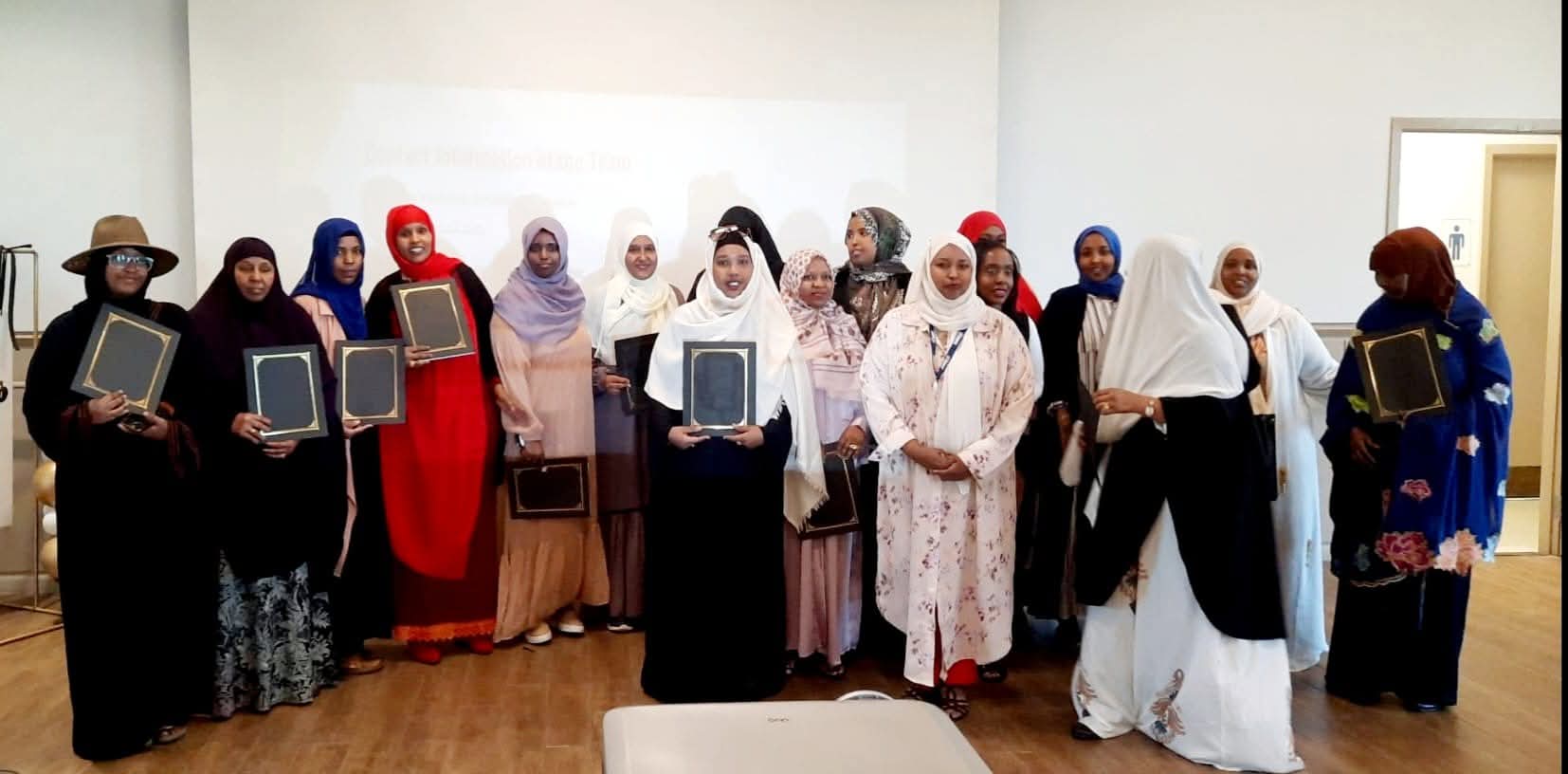
Under Deqa’s leadership, Hooyo iHub has delivered essential pathways to stability at no-cost to participants:
- Economic Empowerment: Food Handler certifications, First Aid/CPR training, and home daycare qualifications.
- Digital Equity: Providing tablets and literacy training during COVID-19 so children could continue their school online.
- Educational Support: Free tutoring programs for youth in Etobicoke to close educational gaps.
The results are tangible. Women who completed certifications through Hooyo iHub are now business owners and employees. Students who received support are overcoming systemic barriers. Deqa’s work has earned her prestigious recognition, including the 2025 ONPHA Tenant Achievement Award and the YWCA Women of Distinction Award.


From community dinners to City Council motions
Deqa’s most transformative work shows the power of tenant leadership when it reaches the highest levels of government.
As the primary organizer, Deqa convened a community-led dinner that brought together former Toronto Mayor John Tory and Somali community leaders. That evening of authentic dialogue became the catalyst for a City Council motion, which led to a massive milestone:
On March 1, 2025, the federal government announced a $20 million investment for the Somali Centre for Culture and Recreation. This net-zero emissions facility will provide spaces for sport, art, and vital social services.
Beyond this landmark project, Deqa continues to serve on civic bodies from the Toronto Police Services Community Advisory Panel to the Central Etobicoke Community Hub initiative (CHECHi), ensuring tenant voices are always at the table where decisions are made.
Deqa’s connection to civic leadership continues to deepen. She currently works in the constituency office of the Honourable John Zerucelli, Member of Parliament for Etobicoke North and Secretary of State for Labour, where she continues to ensure community voices reach federal decision-makers.


Lessons in tenant leadership
Deqa’s story challenges the narrative of who “builds” a city and exemplifies the fruit that can be born from community housing-led engagement systems for tenants. Her success highlights that:
- Culturally specific programs work: Programming designed by the community, for the community, addresses real barriers and local needs.
- Economic empowerment creates ripple effects: When a mother gains stable employment, entire families benefit, and neighbourhoods prosper.
- Tenants should help shape policy: The closest to the challenges are often closest to solutions.
- One person can invite a movement: Deqa didn’t do this alone, she created space for others to join her.
Across Ontario, there are tenants like Deqa. People with vision, energy, and deep knowledge of their communities’ needs.
Do you know a tenant who strengthens their community? Nominations for the 2026 ONPHA Tenant Achievement Award are opening in March. Get ready!