
How partnerships help housing providers do more
By: Kae Roberts, Vice President, Community and Tenant Support, Ottawa Community Housing
A look at Ottawa Community Housing’s Morrison Gardens project
Housing providers are looking for new ways to make better use of community spaces, expand resident services and respond to changing community needs. Partnerships can be an important part of that work.
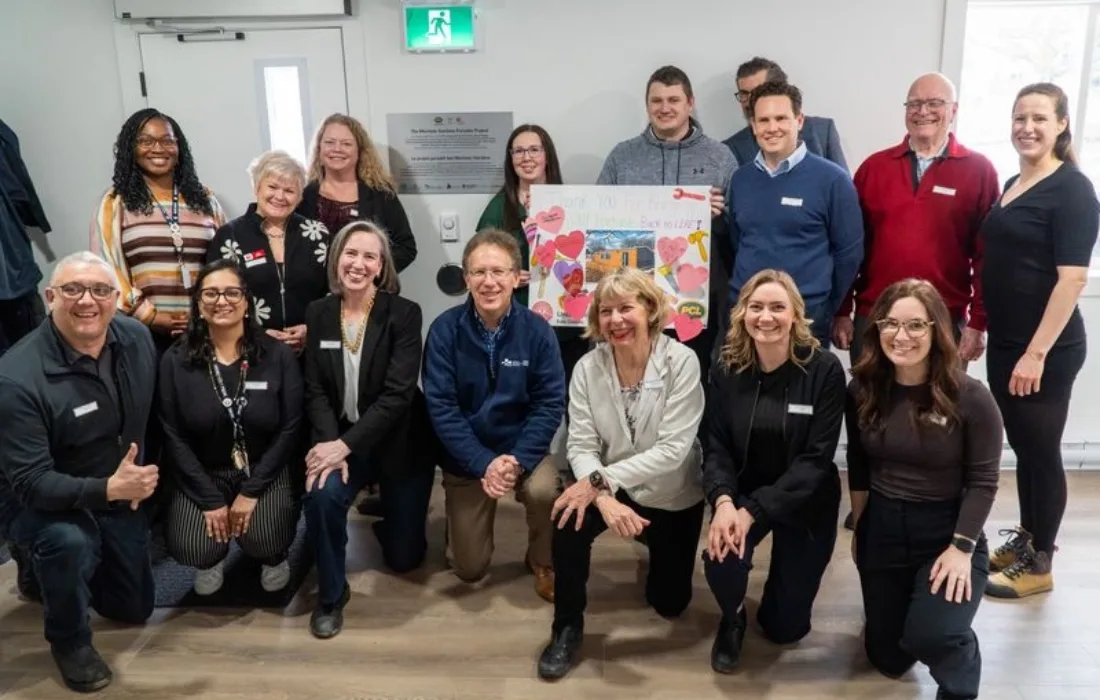
The renovation of the Morrison Gardens Community House in Ottawa shows what can be achieved when housing providers, residents and community partners work together around shared priorities.
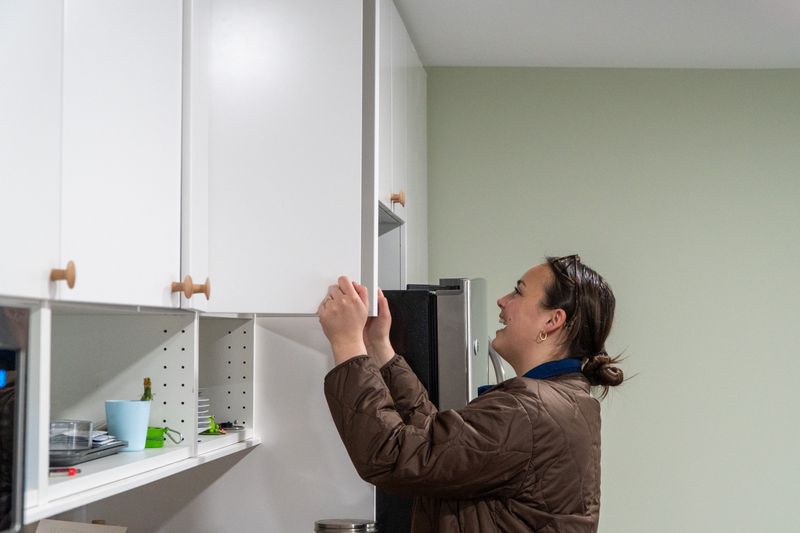
A $200,000 community investment transformed the space into a larger, more accessible hub for the 344 residents who call Morrison Gardens home.
Start with residents
Engage residents early to understand which services, programs and spaces are most needed.
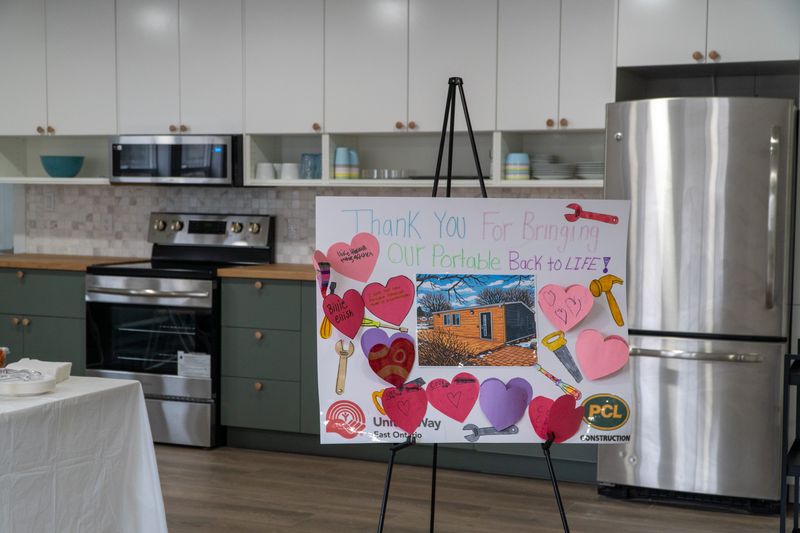
At Morrison Gardens, resident input helped identify the value of a kitchen and space for the food bank. Through Carleton University’s Action Lab, architecture students spent a year working with tenants to co-design the space.
In 2025, an OCH Foundation survey also identified food security and pathways to employment as key priorities for residents. Engaging residents helps ensure investments reflect local needs and can inform future programming.
Leverage different strengths
Partnerships can help housing providers extend their capacity by bringing together funding, expertise, materials, volunteers and programming.
The Morrison Gardens project brought together residents, community organizations, donors, volunteers and multiple OCH teams. The OCH Foundation helped convene partners, secure funding and coordinate donations.
A dedicated foundation can help coordinate this work, but housing providers can also build these relationships directly with community organizations, businesses, donors and volunteers.
Invest beyond the building
Community spaces can contribute to outcomes that extend beyond the physical asset.
Since opening in 2012, Morrison Gardens Community House has welcomed more than 22,500 resident visits each year. The renewed space creates capacity for food security initiatives, learning, connections to services and stronger relationships among neighbours.
For OCH, this reflects the principle that social housing is about more than a home. Community-based services and spaces can play an important role in helping residents connect, participate and access services close to home.
Work across departments
Effective community projects require coordination across an organization.
At Morrison Gardens, OCH’s Asset Management team led construction, while the Community and Tenant Support team engaged residents and secured Community Capital Fund support. The Volunteer Engagement Program connected the project with volunteers.
OCH’s cross-departmental collaboration helps connect capital planning, resident engagement, fundraising and volunteer resources, reducing silos and enabling coordinated delivery.
Design for inclusion and flexibility
Community spaces need to be designed with both current and future resident needs in mind. Flexible, accessible spaces can accommodate different programs, age groups and levels of mobility as community needs change.
At Morrison Gardens, the addition of an accessible washroom helps remove a barrier to participation for seniors, residents with mobility challenges and families. It also allows the space to accommodate a broader range of programs and community activities over time.
For housing providers, considering accessibility and flexibility at the planning stage can help community spaces remain useful as resident needs and programming evolve.
A broader lesson
Morrison Gardens demonstrates how housing providers can strengthen community spaces by listening to residents, coordinating across teams and building purposeful partnerships.
The OCH Foundation shows how a dedicated fundraising organization can bring additional resources and partners to the work. But the broader lesson applies regardless of organizational structure: relationships with community organizations, businesses, donors and volunteers can extend capacity and help turn resident priorities into practical services.
As community needs change, housing providers can use these approaches to make better use of existing spaces, strengthen partnerships and respond to local priorities. We can do more when we treat residents as partners.
This post is part of ONPHA’s Blog Takeover Series.
Have a story to share? Send us your pitch!