Rethinking rent-ready: How a housing provider is building affordable housing for the next century
Reinventing capital planning for sustainable, 100-year homes
When ONPHA member, Circle Community LandTrust, took ownership of over 600 single-family homes across Toronto in 2022, they faced a familiar choice: make the urgent fixes and get units rented quickly, or pause and ask a bigger question.
They chose the bigger question: What if we stopped planning for 10 years and started planning for 50, or even 100?
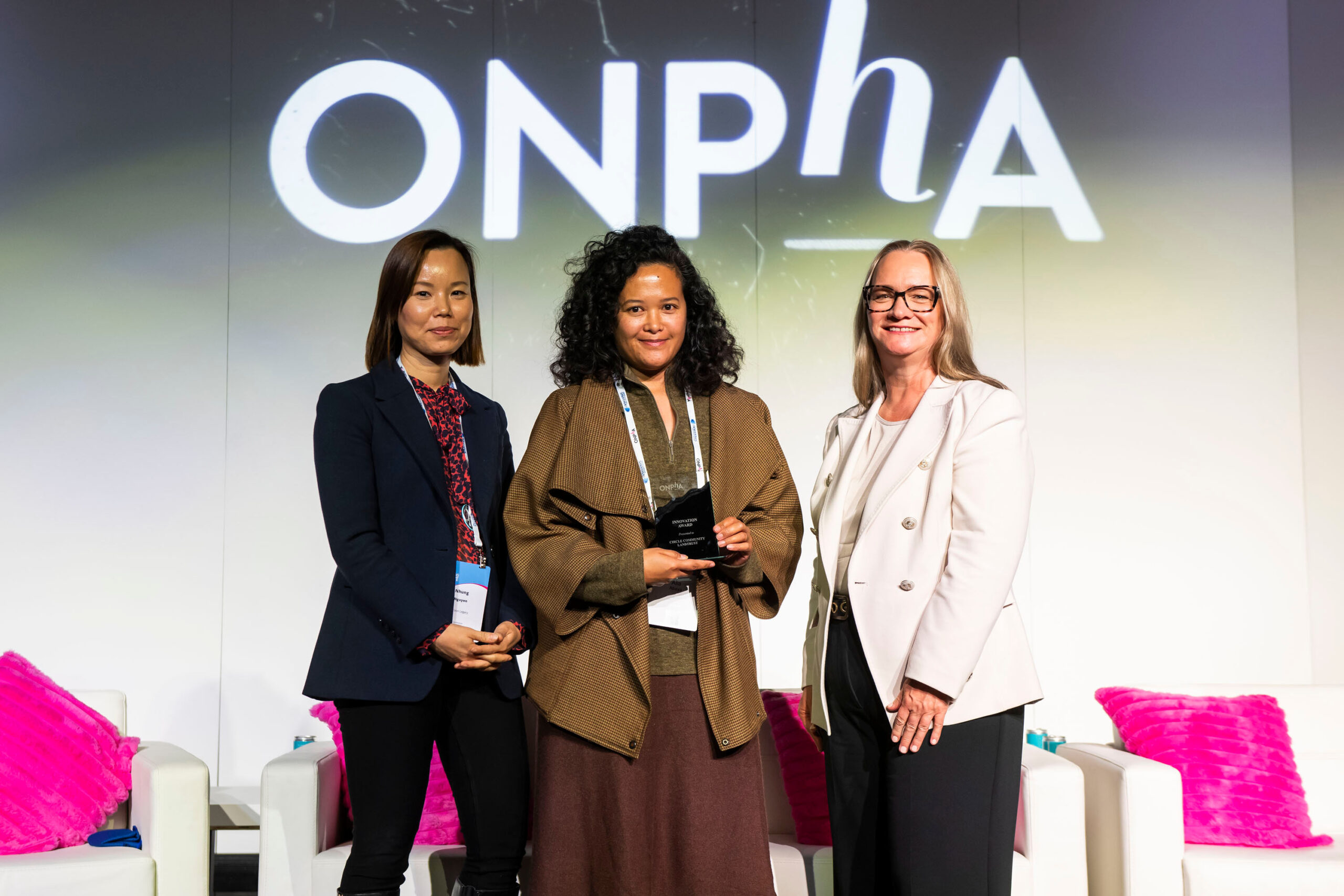
That question sparked Expanding Possible, a capital repairs program that goes beyond patching roofs and replacing furnaces. The approach – which earned them the 2025 ONPHA Innovation Award – redefines “rent-ready” by deeply improving (not just repairing) aging housing stock into beautiful, sustainable, high-performance homes.
Circle’s capital repair program is made possible thanks to funding from multiple levels of government, including $72M from CMHC. This support allowed them to think beyond quick fixes and invest in long-term transformation.
The homes were old, some vacant and in rough shape. But Circle saw what others might overlook: a once-in-a-generation opportunity to set a new standard. And they found a way to make it happen.
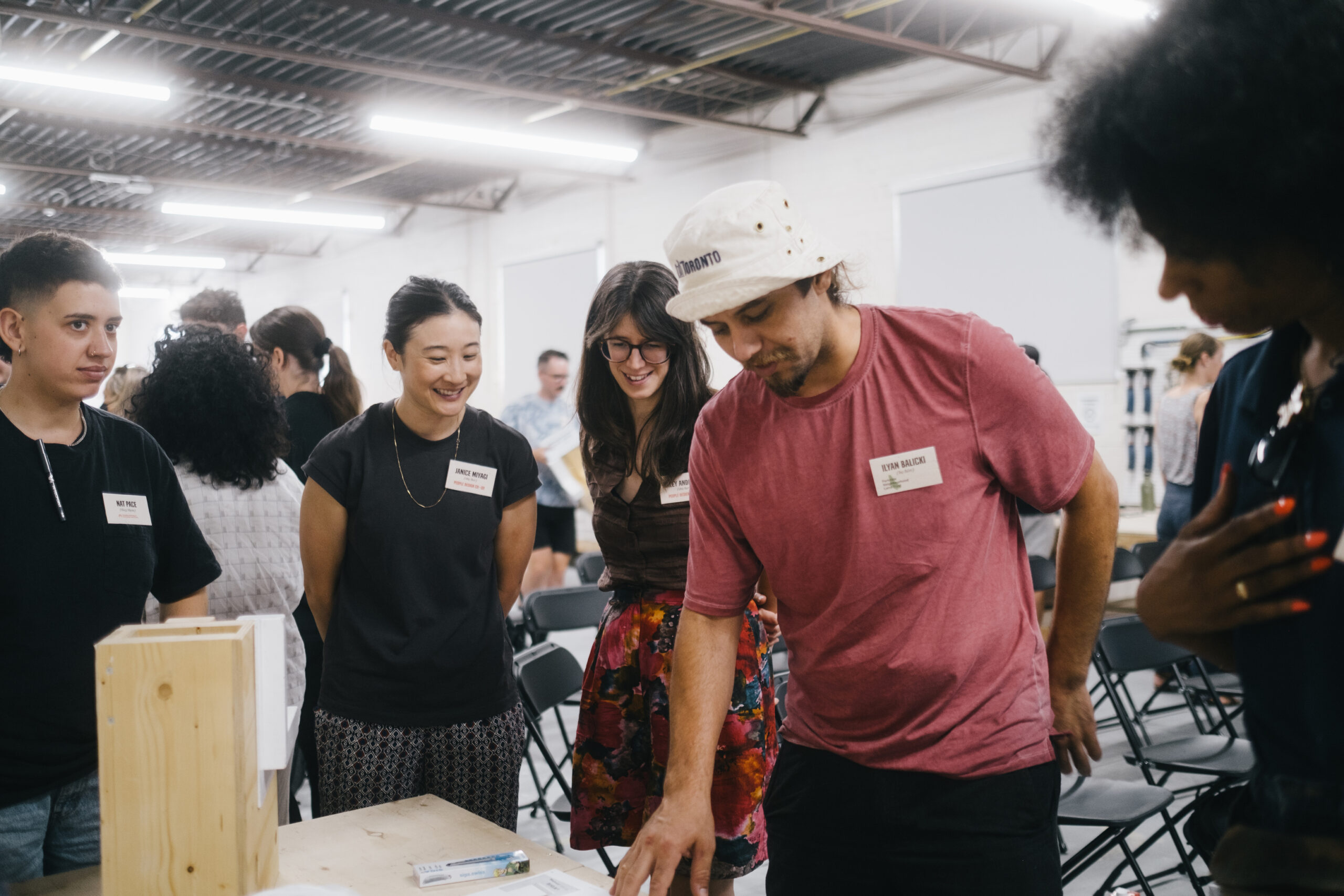
What happens when 600 aging homes meet a climate crisis?
Circle inherited a complex puzzle familiar to the sector: preserving and improving aging affordable housing stock in a way that is both socially and environmentally sustainable.
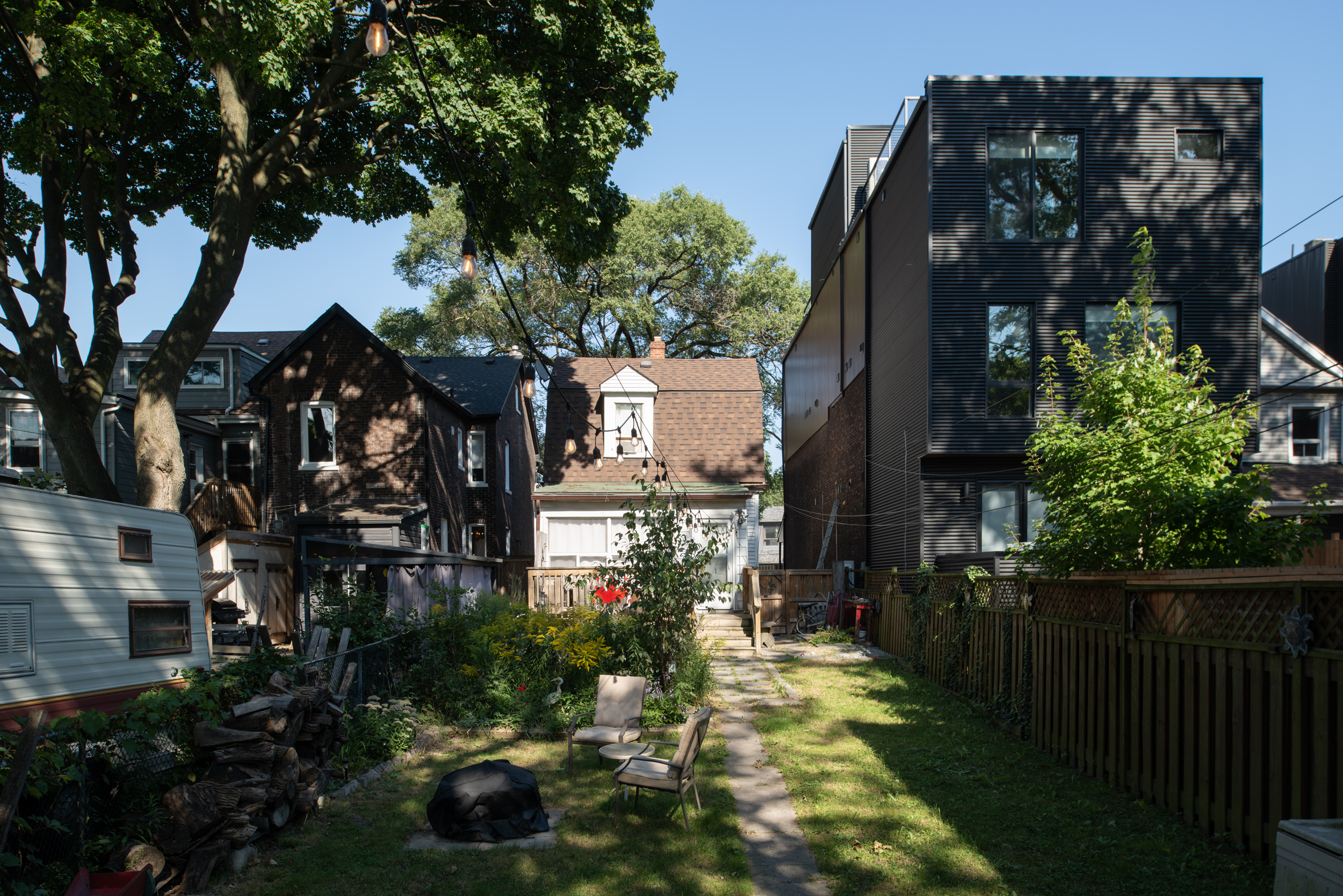
Their portfolio spanned 600+ scattered single-family homes across 45 kilometers of Toronto, representing nearly every housing typology in the city. Pre-war rowhouses, interwar semi-detached and detached homes, postwar bungalows, some more than a century old.
Traditionally, capital repairs are reactive: fix what’s broken, tick boxes for compliance, and move on. Retrofit cycles target 10-15 years. Energy upgrades, if they happen, are treated as separate projects.
But Circle recognized several intersecting challenges:
- The climate crises demanded action. Toronto’s Net Zero Existing Buildings Strategy calls for 50% emissions reduction by 2030, and the urgency was clear.
- Tenants deserve better. Many of Circle’s 1,500+ tenants – largely women-led, racialized, Indigenous, or newcomer households – had faced long waits for repairs. Rising energy costs strained already-tight budgets. Poor building performance made homes too cold in winter and too hot in summer.
- The sector needed a new playbook. Existing retrofit models were designed for large apartment buildings, not scattered family homes. Most sustainability funding programs – like the Social Housing Apartment Improvement Program (SHAIP) – weren’t accessible to providers with Circle’s portfolio type. While Circle eventually pieced together support through retrofit programs like the Canada-Ontario Community Housing Initiative (COCHI) and CLEAResult Canada, it required significant coordination work to make scattered-site deep retrofits financially viable. Data, tools, and strategy guidance were limited.
How do you renovate 600 homes without losing sight of the future?
Circle made a strategic decision early on: run two parallel renovation streams.
Stream One: Quality Renovations, Efficient Timelines
For tenanted homes and vacant properties close to rent-ready, Circle focused on delivering high-quality work quickly, by:
- Batching work (e.g., 74 roofs, 171 window replacements, 131 foundation waterproofing projects).
- Streamlining contractor coordination by awarding multiple projects to trusted vendors.
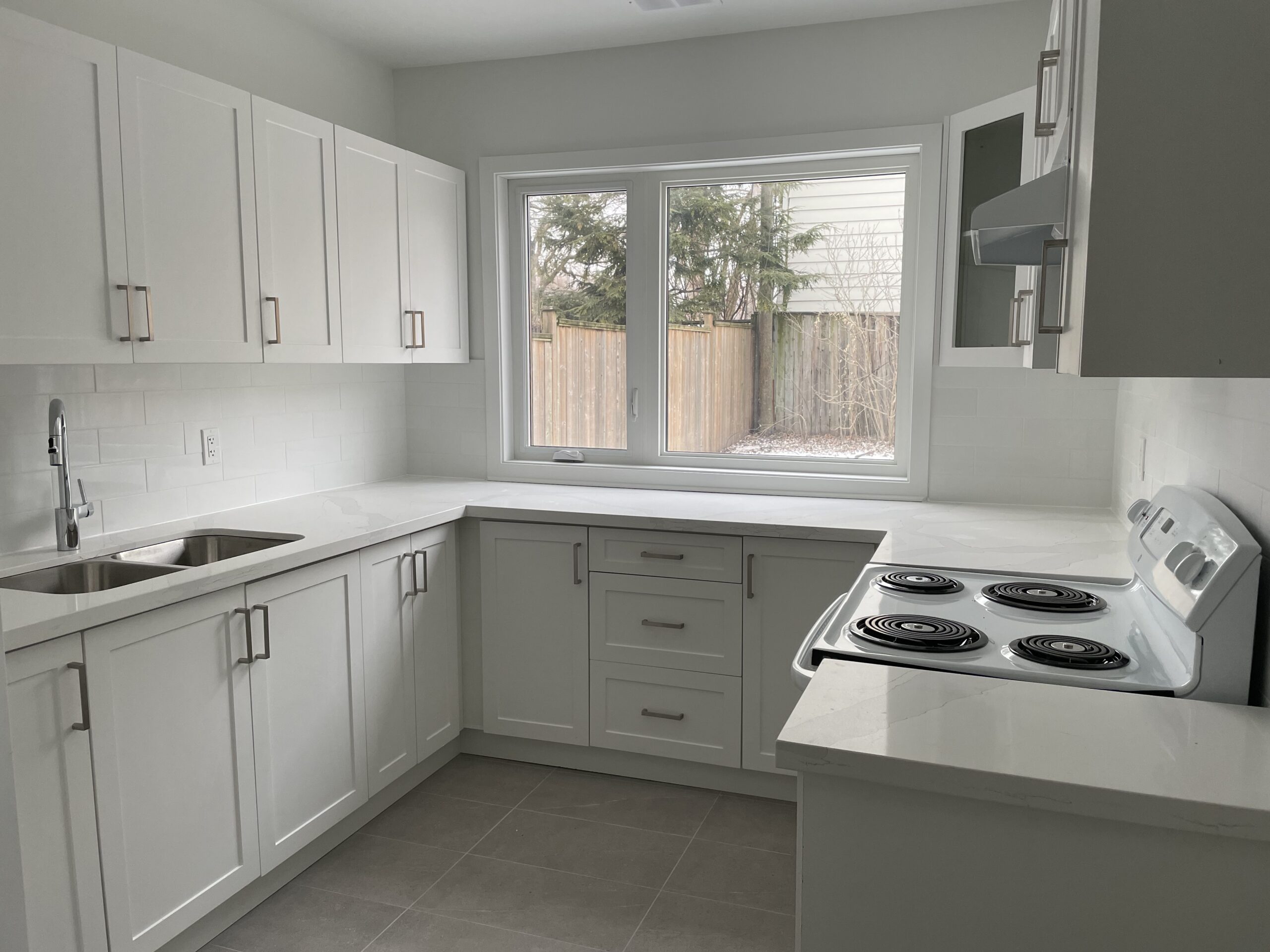
- Making quality-of-life upgrades with quartz countertops, luxury vinyl plank flooring, soft-close cabinet hinges.
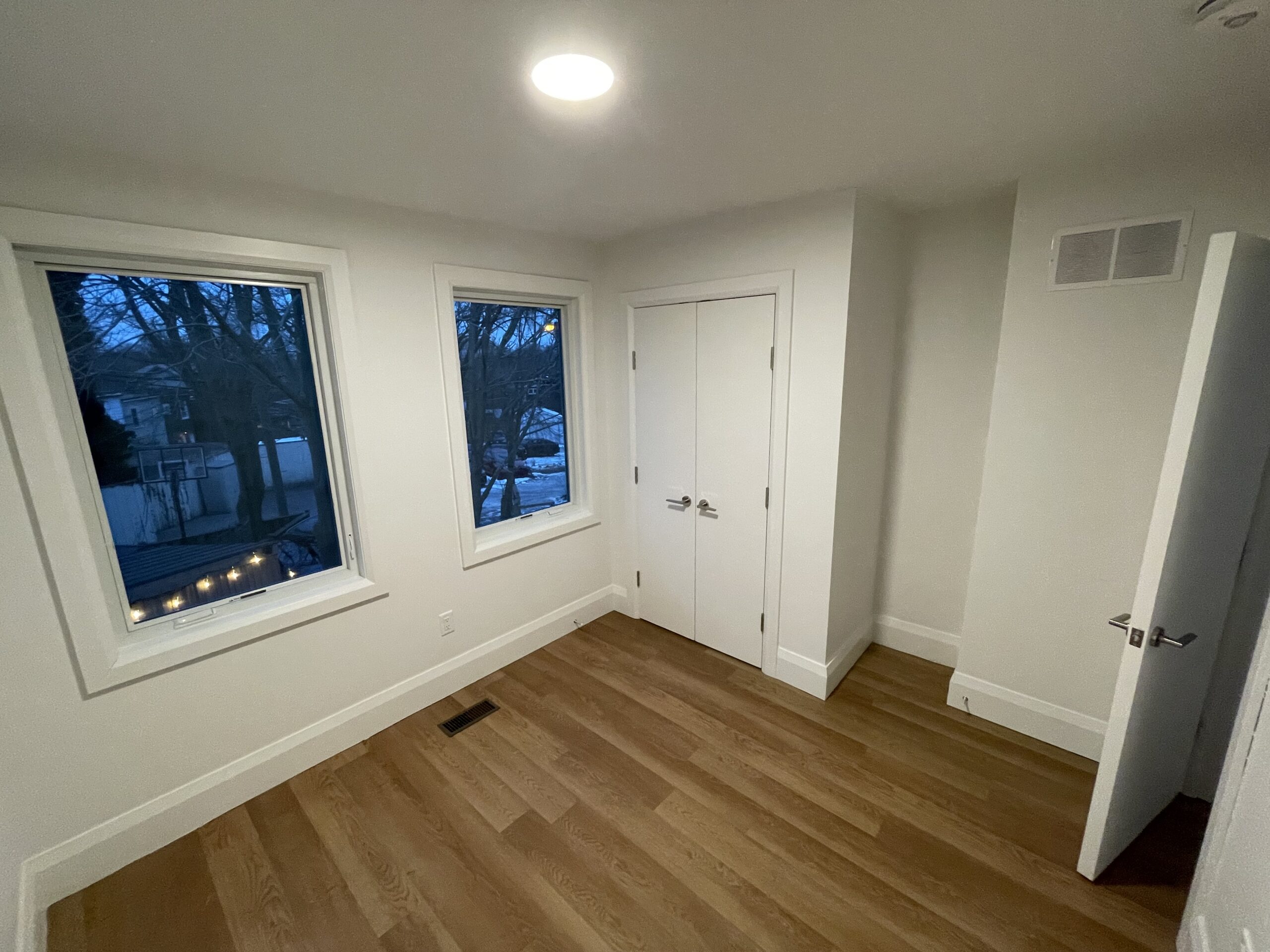
To date, Circle has completed full-home renovations at 75 addresses, where families are now living.

Stream Two: Expanding Possible
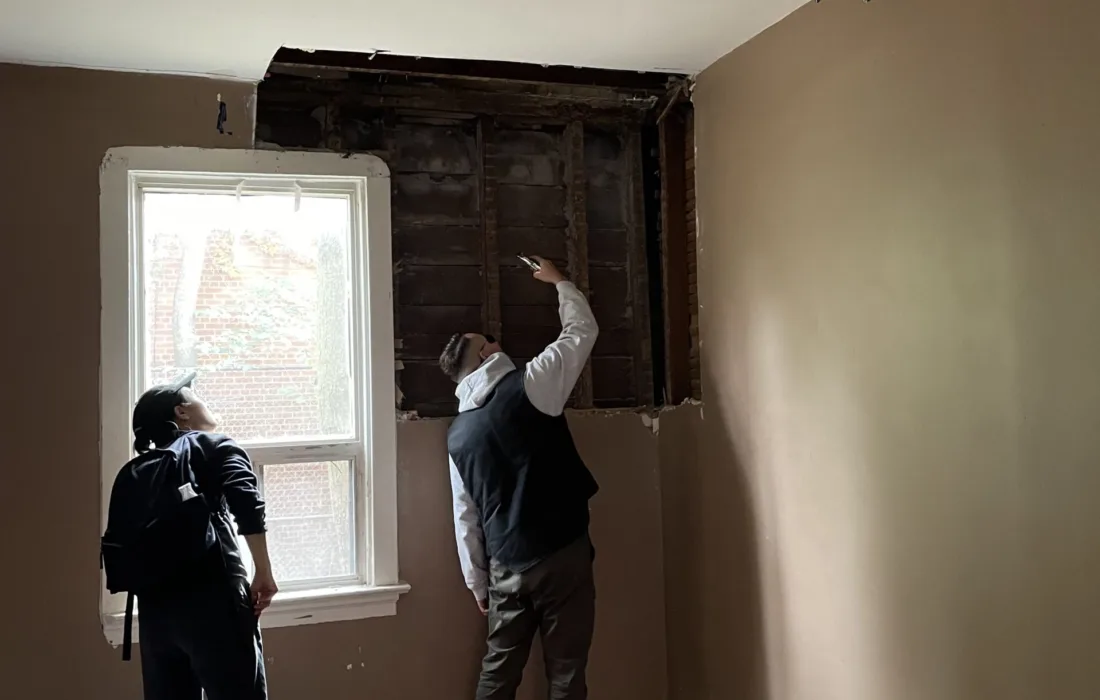
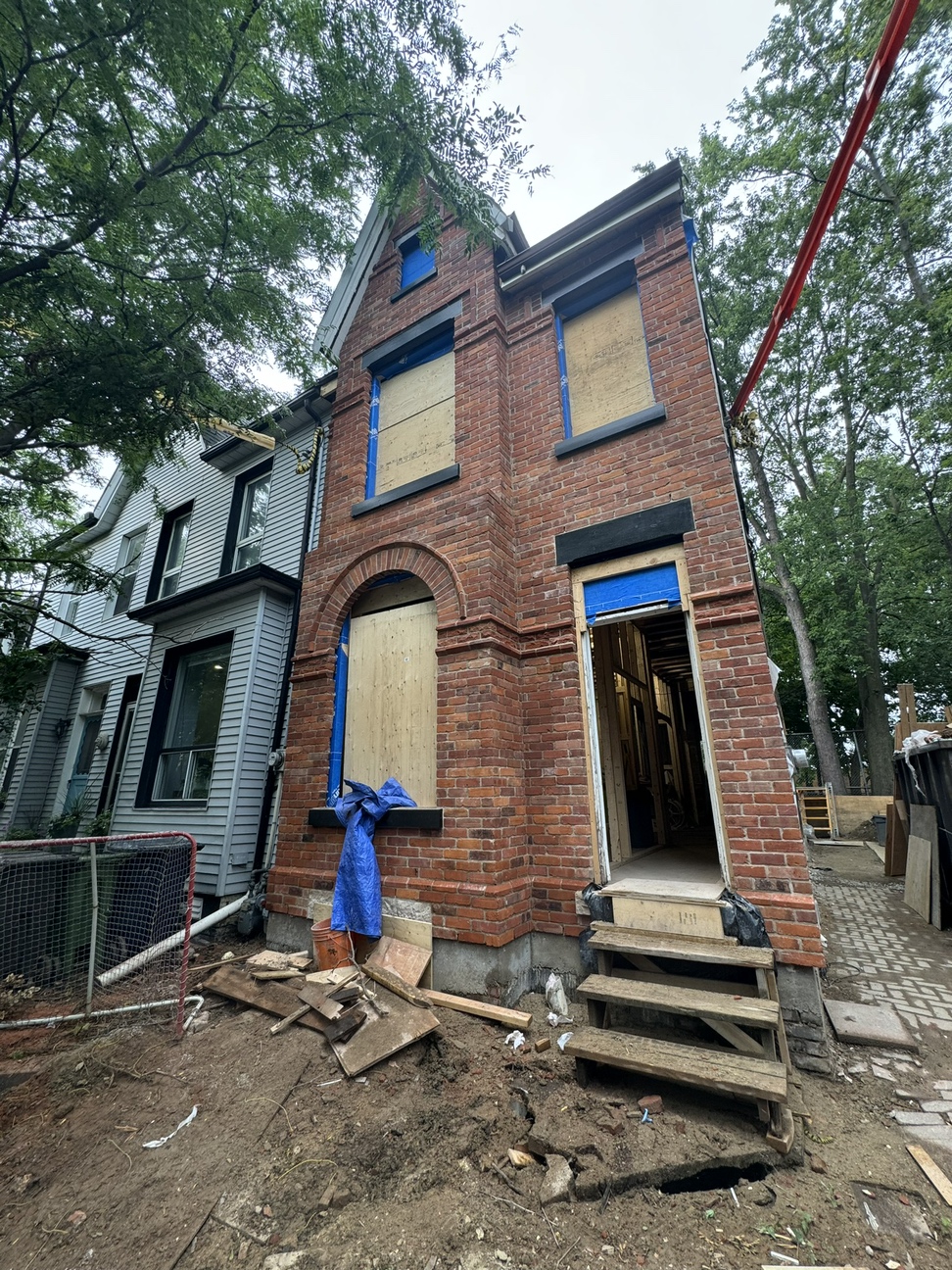
For eight vacant homes in the poorest condition, Circle partnered with People Design Co-op to pilot a new approach, treating capital repair as a chance to transform homes for the long term.
This model embeds deep energy retrofits directly into essential capital repairs, bundling sustainability upgrades with necessary maintenance.
Here’s what that looked like:
- Electrifying everything. All eight homes transitioned from gas to electric systems using cold-climate air source heat pumps. This led to near-zero greenhouse gas emissions (GHG), more efficient heating and cooling, and better indoor air quality by eliminating combustion byproducts. At 395 Kingston Road, emissions dropped by 95.4%, from 8.7 tonnes/year to just 0.4 tonnes. Inspired by their success with electrification with the Expanding Possible pilot, Circle has since installed heat pumps in a total of 109 homes to date, with more in progress. This shift has also brought cooling to many of these homes for the first time.
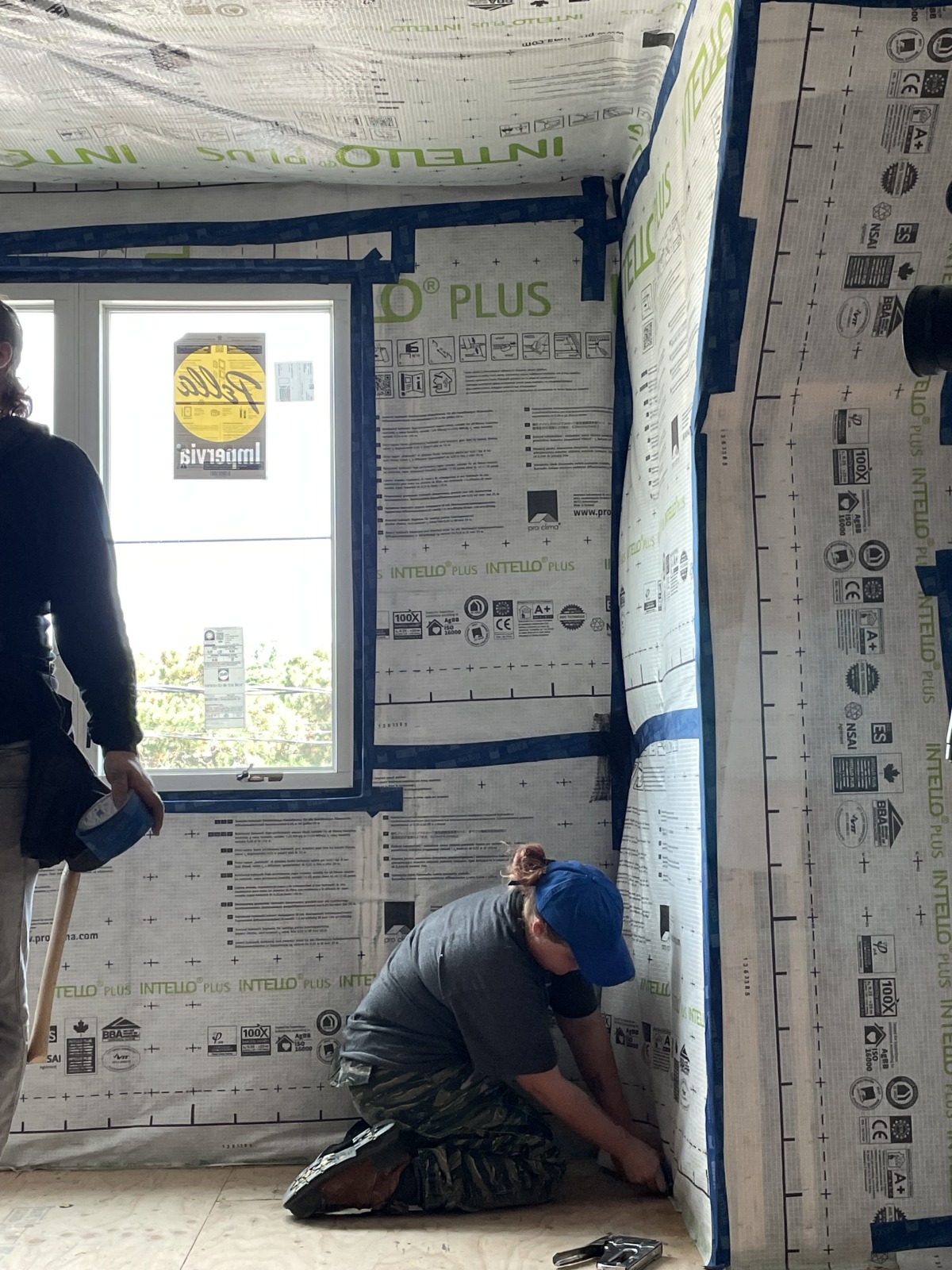
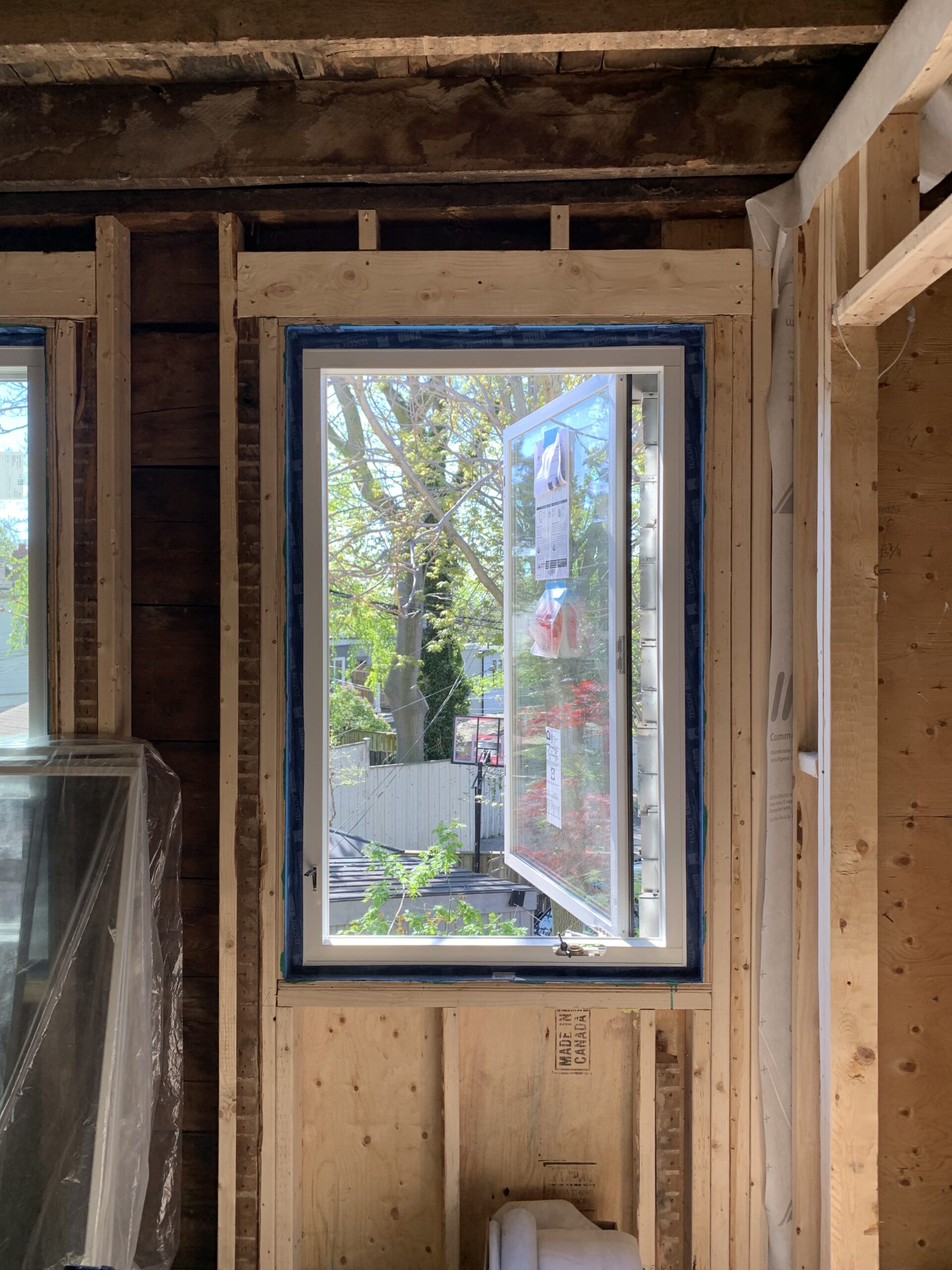
- Upgrading building envelopes. Circle seized opportunities to improve efficiency while opening walls or foundations for essential repairs. Adding exterior insulation during foundation work, topping up attic insulation when replacing roofs, air-sealing and improving wall assembly during window replacements. At 58 Bradworthy, airtightness improved by 65%, creating more stable indoor temperatures and lowering utility bills.
- Measuring everything. Circle tracked GHG reductions, energy savings, and airtightness improvements for every home. They created “report cards” showing before-and-after performance metrics.
- Embedding social procurement. Circle prioritized partnerships with social enterprises. For every $1 Circle invested through social enterprise contractors, they generated $4.29 in social value, without costing more than conventional general contractors.
What changed? Everything from utility bills to sector expectations.
For tenants, this approach means healthier, more comfortable homes with lower utility bills.
For the sector, this approach serves as a roadmap others can use. Circle is proactive in sharing insights though reports like Retrofit & Renew: Beyond Rent Ready in 600+ Homes and serving on advisory roles in city and national climate-equity initiatives, so that other providers can follow their lead.
For the environment, the results speak for themselves: the six completed homes have eliminated more than 47 tonnes of annual GHG emissions, the equivalent of removing nearly 19 cars from the road every year. Scaling this approach across their entire portfolio would create even more cumulative impact.
So what does innovation look like in community housing?
“There was this huge pressure to get things done as fast as possible,” says Alia Abaya, Chief Executive Officer at Circle Community LandTrust. “It took some conviction to step up and say it was equally important to be thoughtful about our approach. Each home was a chance to make a difference. We didn’t want to rush in and make decisions we would regret later.”
That’s real innovation. Not high-tech solutions or massive capital, but the creativity to rethink old assumptions and choose long-term impact over short-term fixes.
Expanding Possible shows that deeply sustainable, beautiful, dignified housing is achievable and scalable. Across Ontario, housing providers face similar challenges: aging buildings, stretched budgets, climate targets, tenants who deserve better. Most providers are doing their best within systems that weren’t built for today. But then there are the ones who make it happen anyway.
Circle didn’t wait for the perfect conditions. They asked what’s possible and built it. They proved capital repairs can be climate solutions, that “rent-ready” can mean homes built for generations, that affordable housing can set the standard.
Do you have a project or initiative that’s rethinking what’s possible? Nominations for the 2026 ONPHA Innovation Award are opening in March. Get ready!