How Winnie Peters Built Kingston’s Model for Indigenous Housing
“We don’t need more police in encampments; we need more Winnie Peters.”
This testimonial from Bruce Davis at Public Progress captures the impact of Winnie Peters’ 25 years in community housing. In a city where Indigenous people make up just 3.4% of the population but represent 31% of those experiencing homelessness, Peters has pioneered successful Indigenous housing models that show what’s possible when vision meets action.
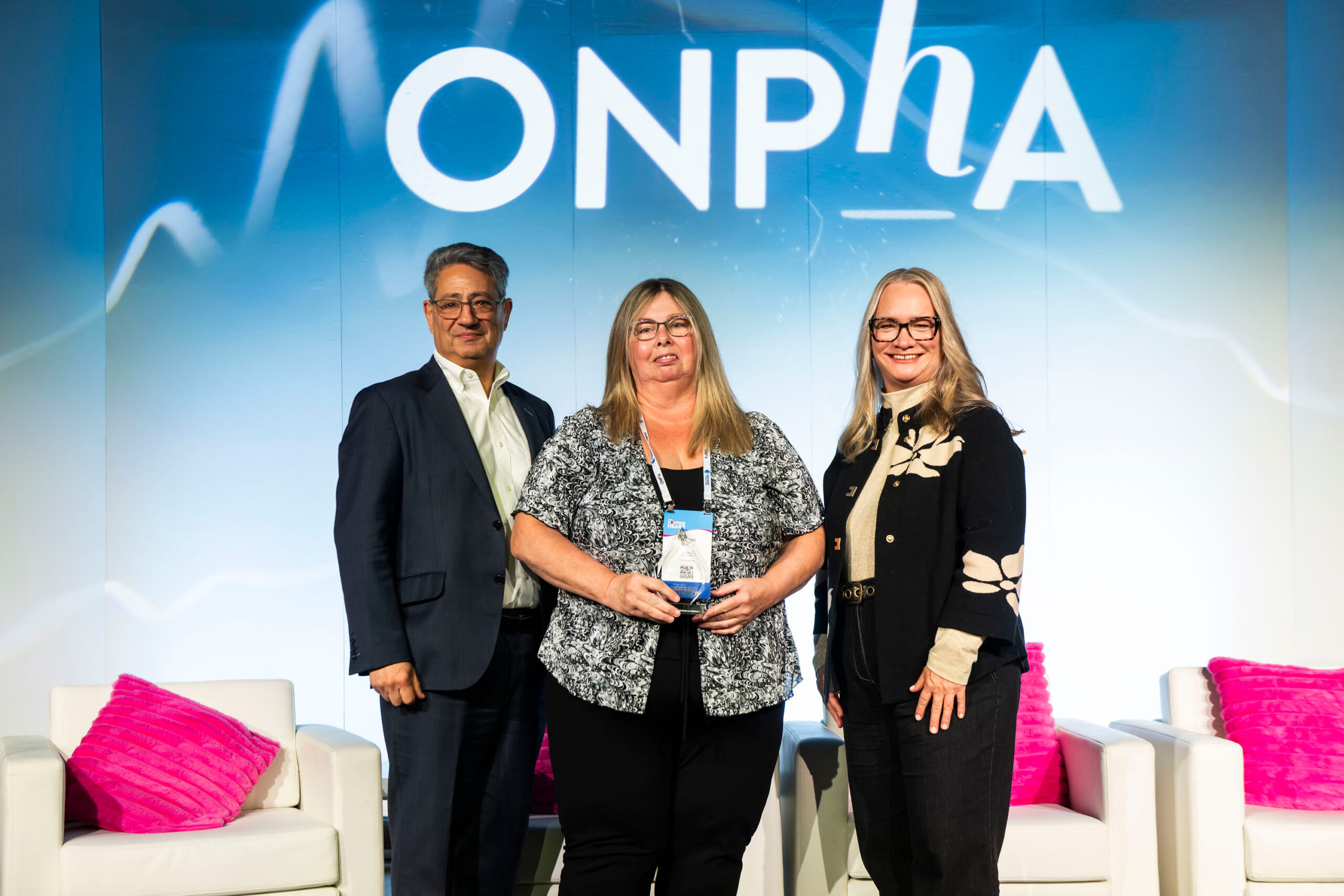
Since joining Tipi Moza (Iron Homes) in 2018, she’s grown the organization significantly, built Kingston’s first Indigenous-specific transitional housing program, and created a model that other providers are looking to replicate. For this work, Peters is the recipient of ONPHA’s 2025 Sybil Frenette Outstanding Leadership Award.
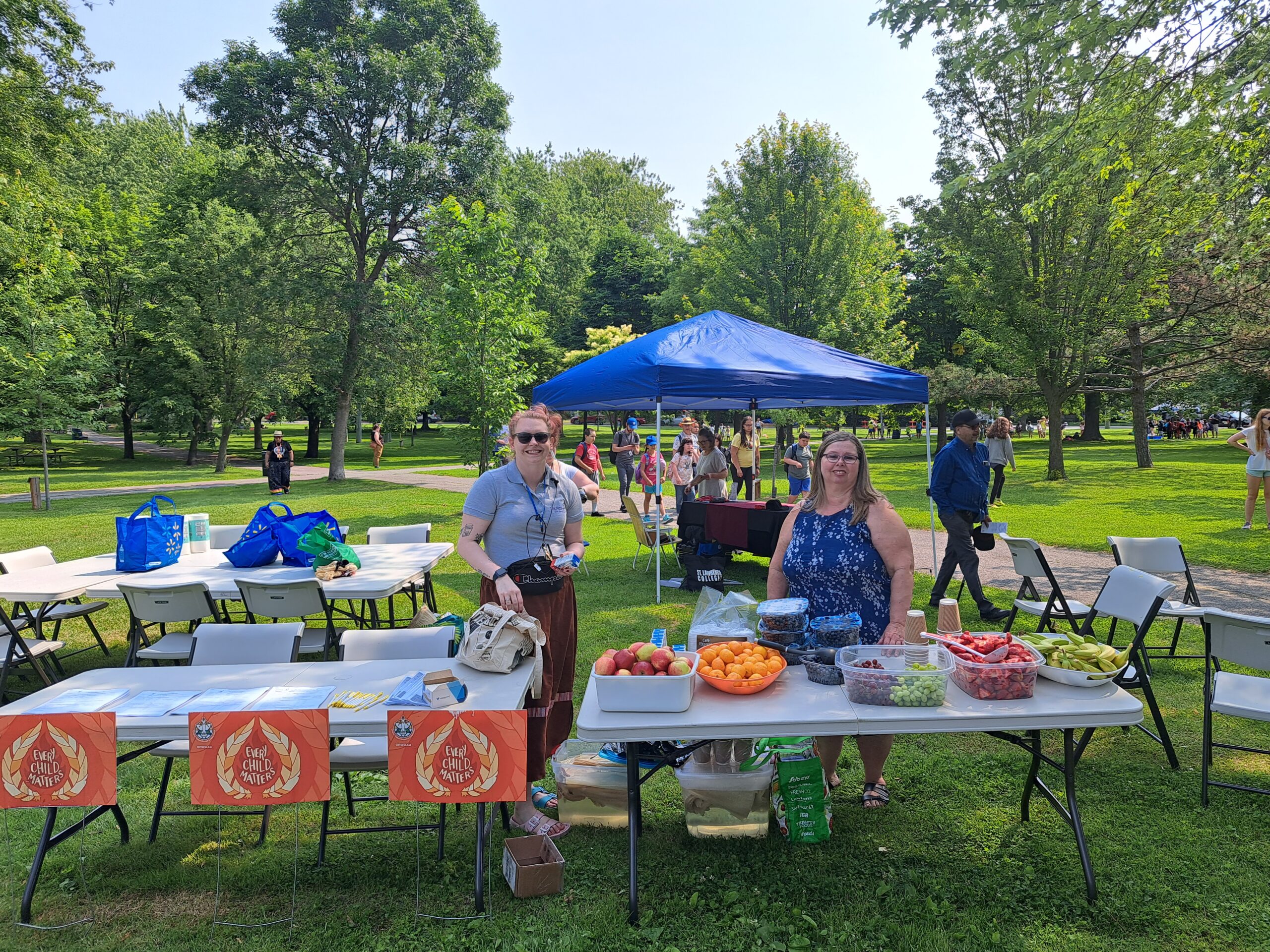
Building capacity: From one to many
When Winnie first joined Tipi Moza, she managed the entire organization alone while serving 26 households. “I was the only employee,” Winnie recalls. “I applied for grants and other funding, did home inspections, organized activities for the clients and their families, and scheduled maintenance repairs.”
Under her guidance as Executive Director, the organization has seen exponential growth, from:
- 1 employee to 10.
- 26 households to 67.
- A small portfolio to:
- 17 rent-geared-to-income units.
- 13 affordable units.
- 19 transitional units.
- 10 portable rent supplements.
- 8 units they provide support to.
The complexity of the work has grown alongside the rewards. Winnie notes that while the challenges are often overwhelming, the positive impact on the community is astronomical.
Innovation in transitional housing: Tsi Niwakenonhsote
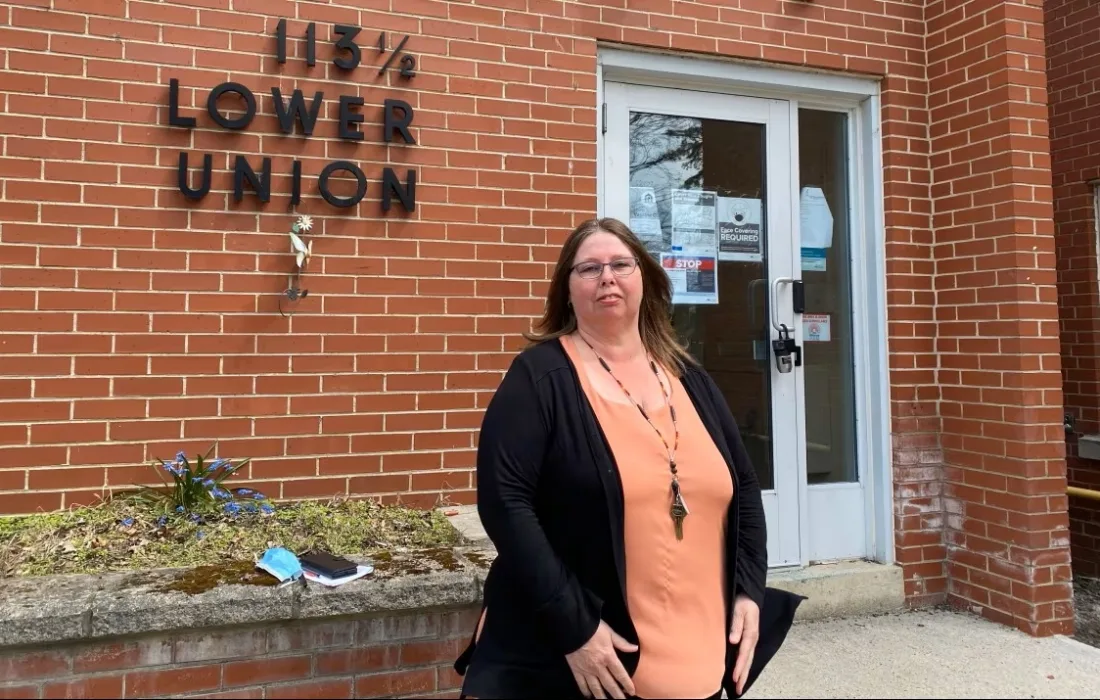
Central to this growth is Tsi Niwakenonhsote (meaning “a place to call home”). This 19-unit transitional housing building located at 113 Lower Union Street opened in 2022. It is the first Indigenous-specific transitional housing program in Kingston.
What makes this different is Winnie’s intentional design to eliminate barriers, creating a benchmark for Indigenous housing models that prioritize healing:
- Zero documentation requirements: Tenants do not need to provide ID to apply.
- Long-term support: Most programs last one year, but Tsi Niwakenonhsote allows tenants to stay for up to four years to ensure lasting healing.
- Cultural integration: The program includes beading, moccasin making, talking circles, smudges, and healing through sacred medicine.
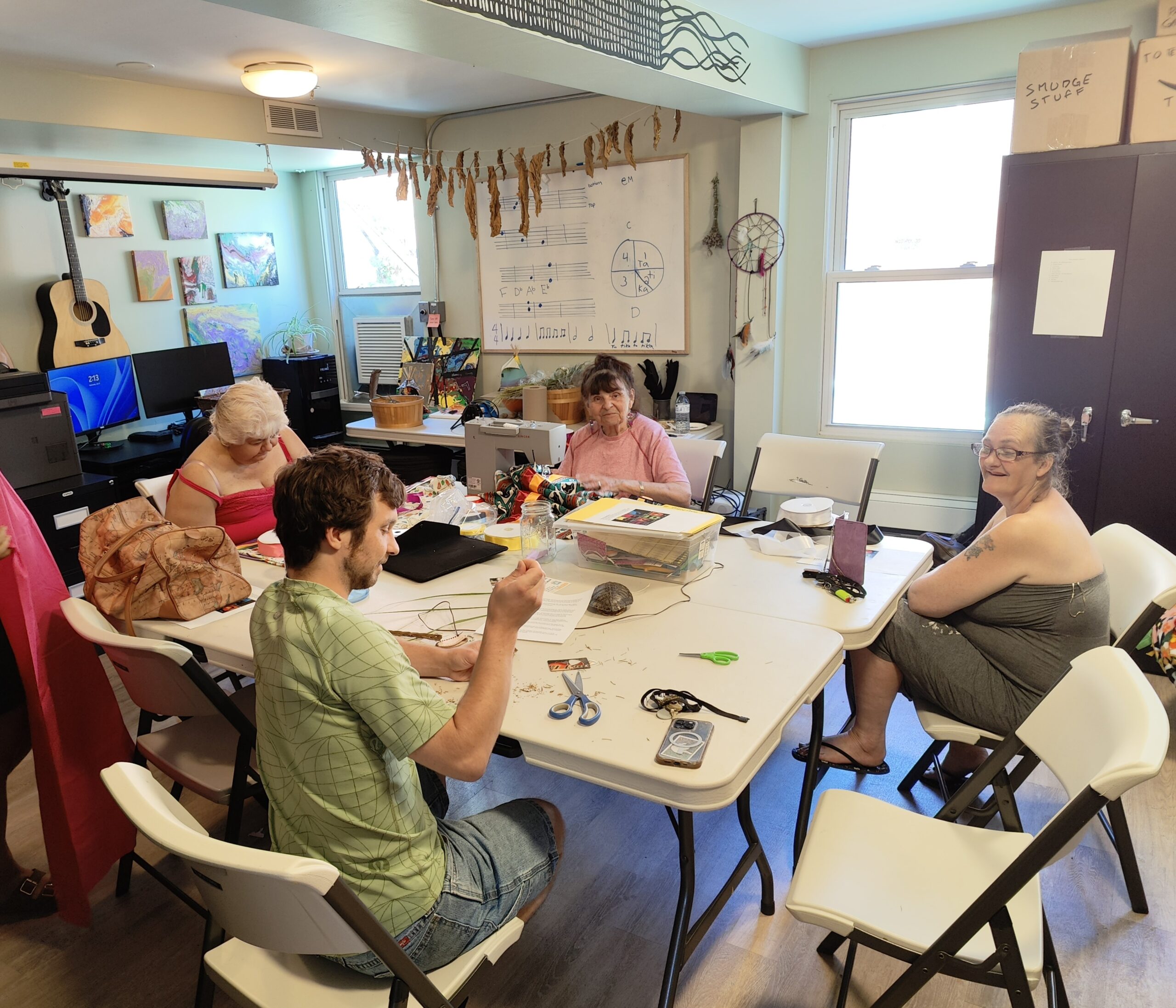
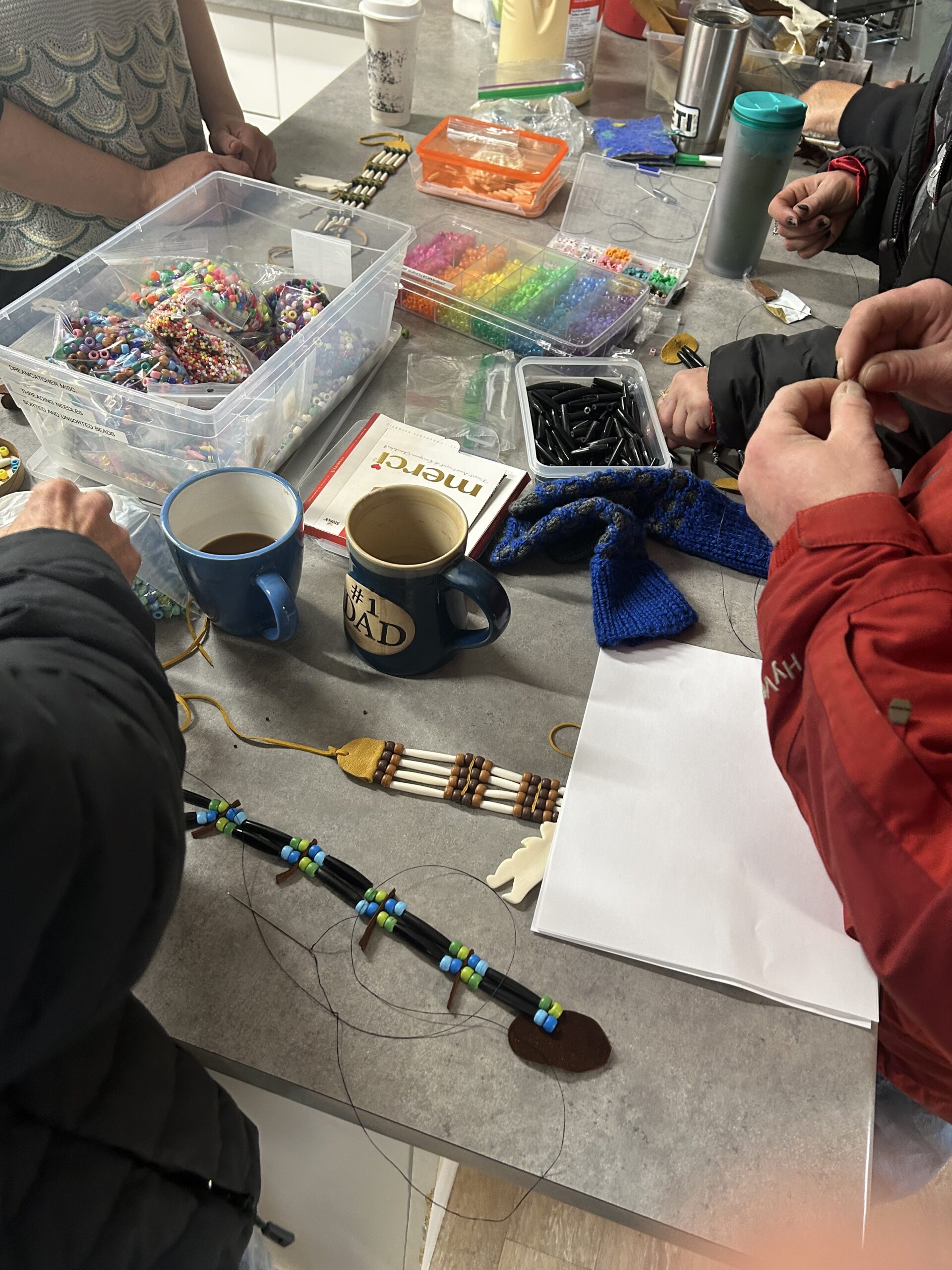

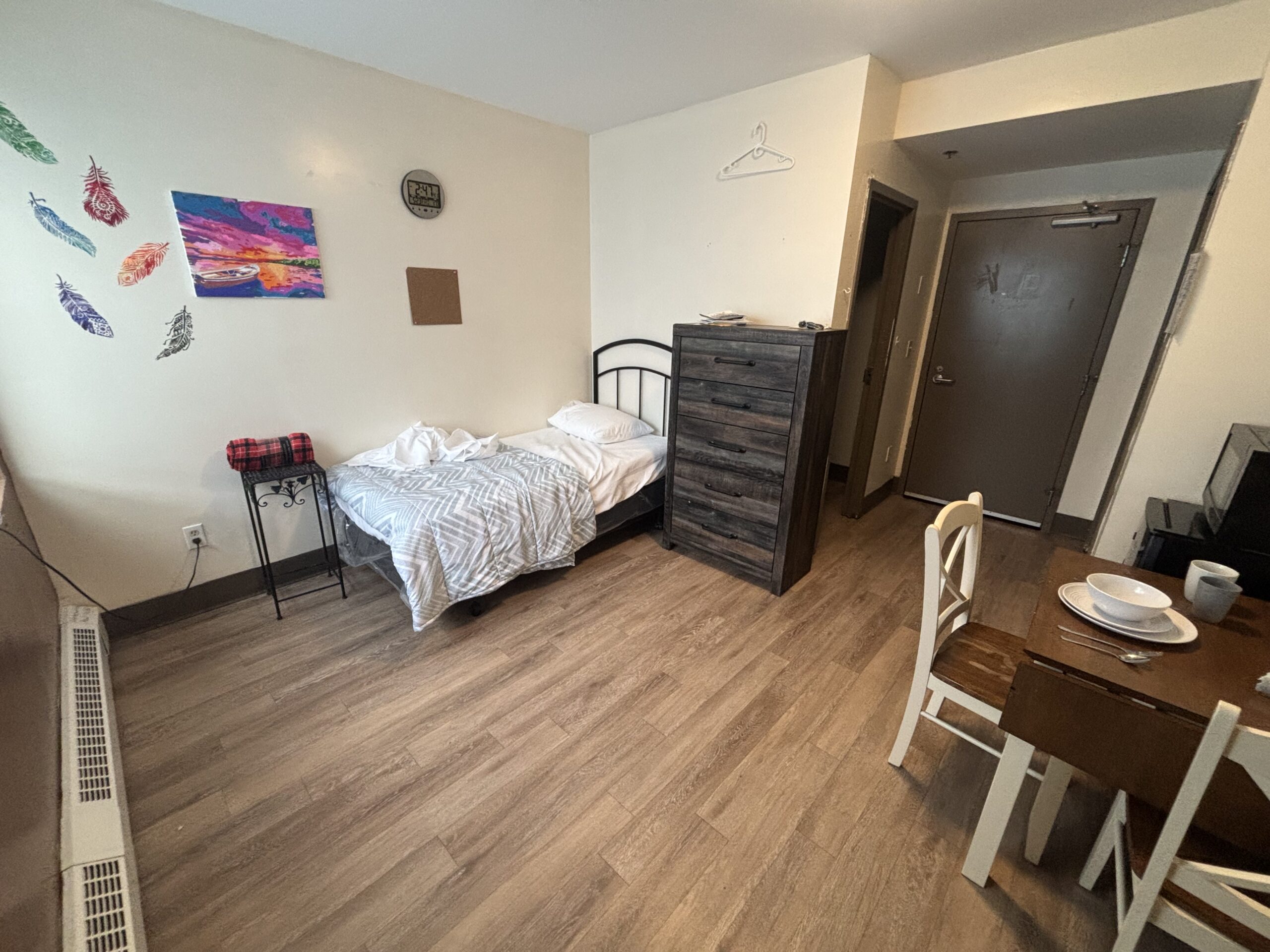
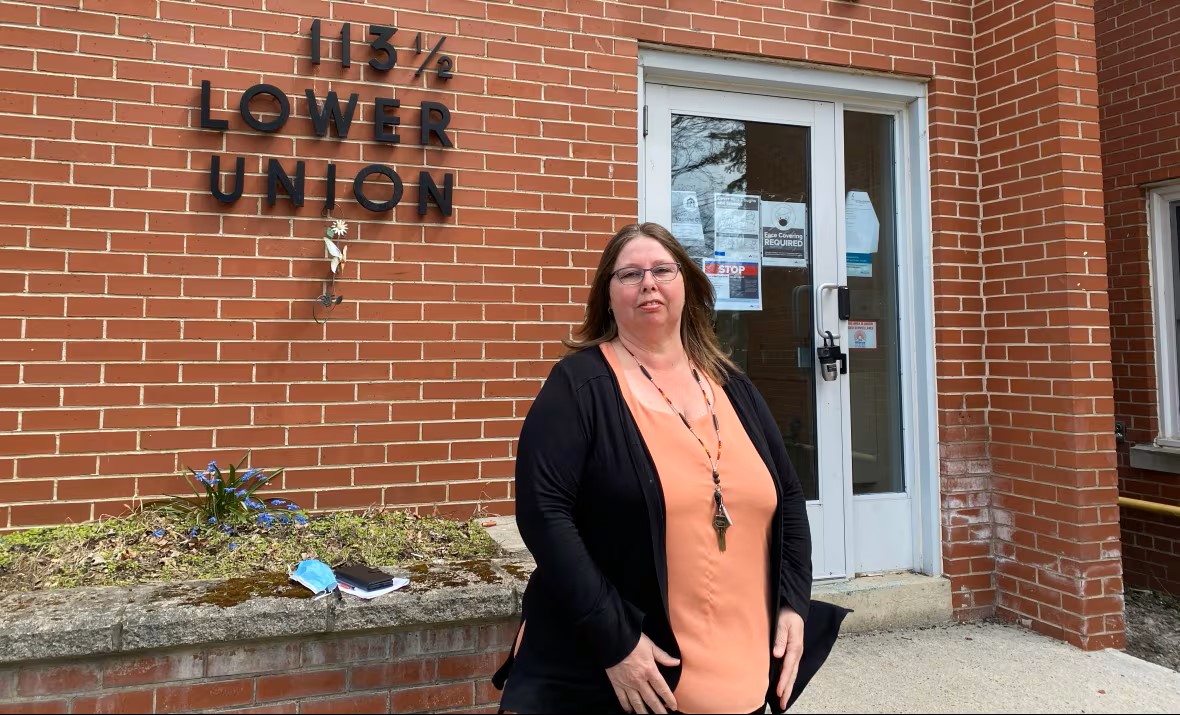
This approach offers a lesson for the broader sector: when we design housing with tenant needs in mind, we create programs that genuinely work.
The power of strategic partnerships
Winnie understands that solving the housing crisis requires collaboration. By building strong relationships with the City of Kingston, YMCA of Eastern Ontario, CaraCo Development Corporation, and CMHC, she’s expanded Tipi Moza’s reach significantly.
One example is the YMCA’s Hearthstone Housing Pilot, launched in 2024. Tipi Moza serves as the referring agency for four new affordable units. This partnership combines housing with wraparound supports like fitness membership, financial literacy workshops, and mental health resources.
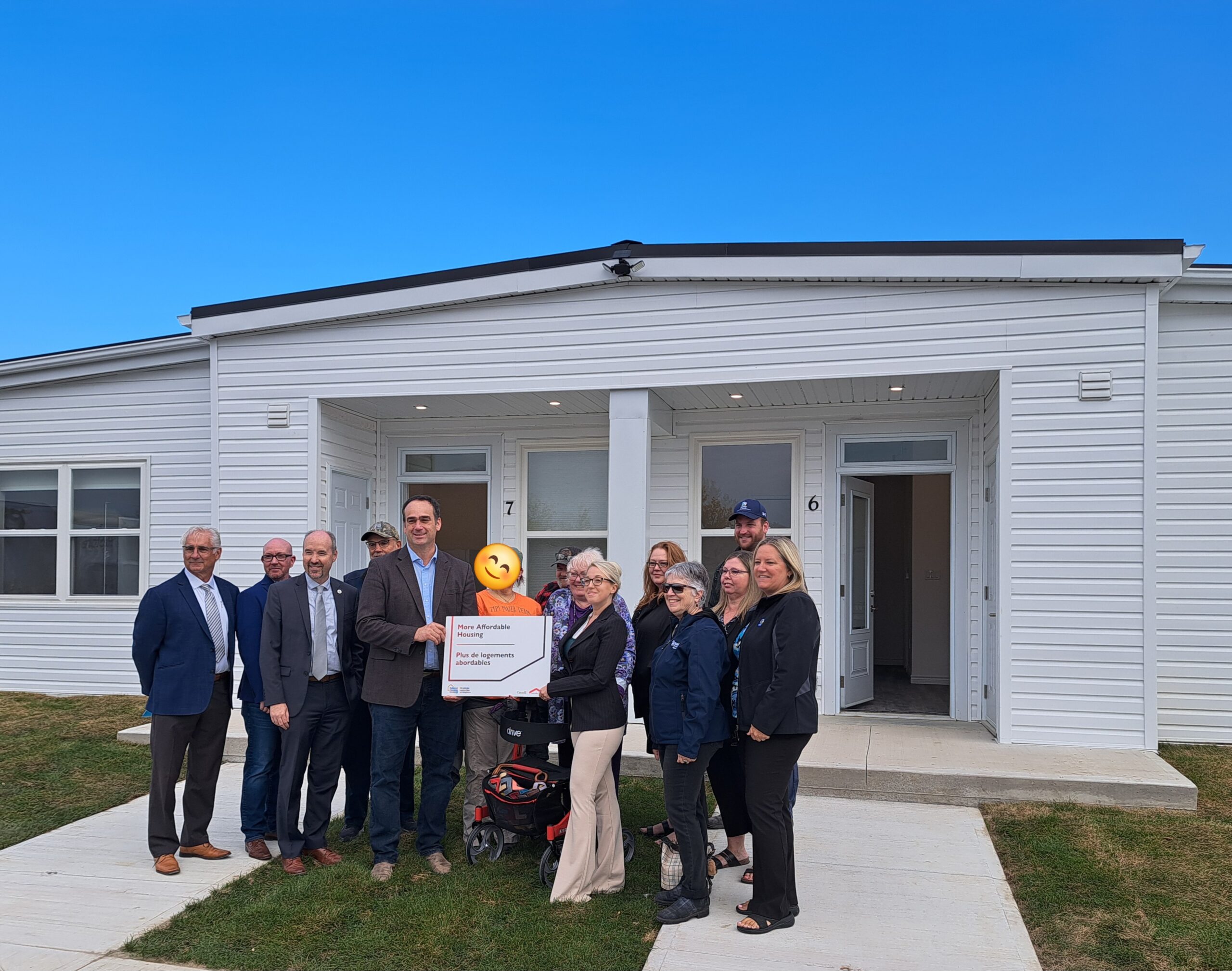
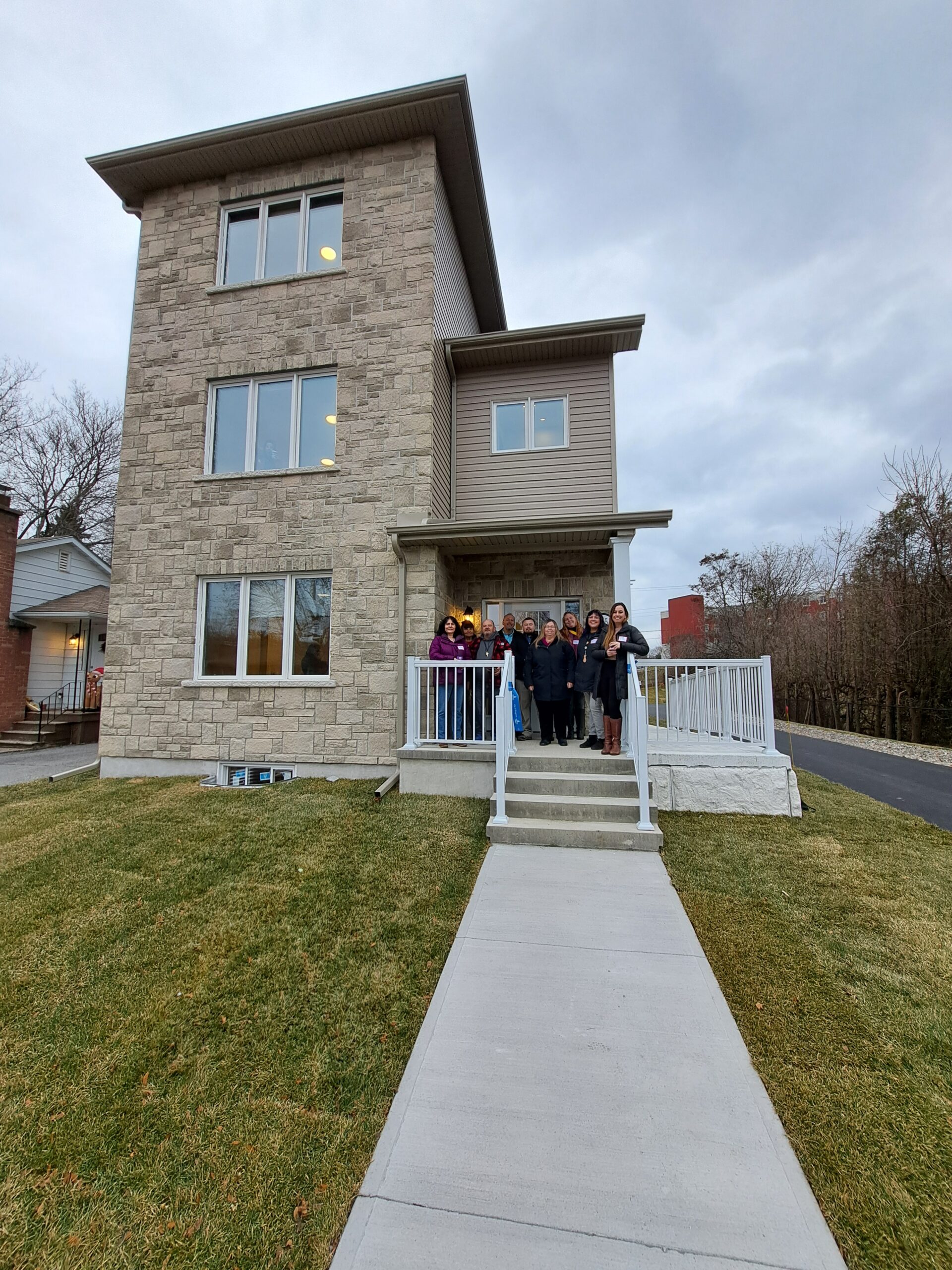
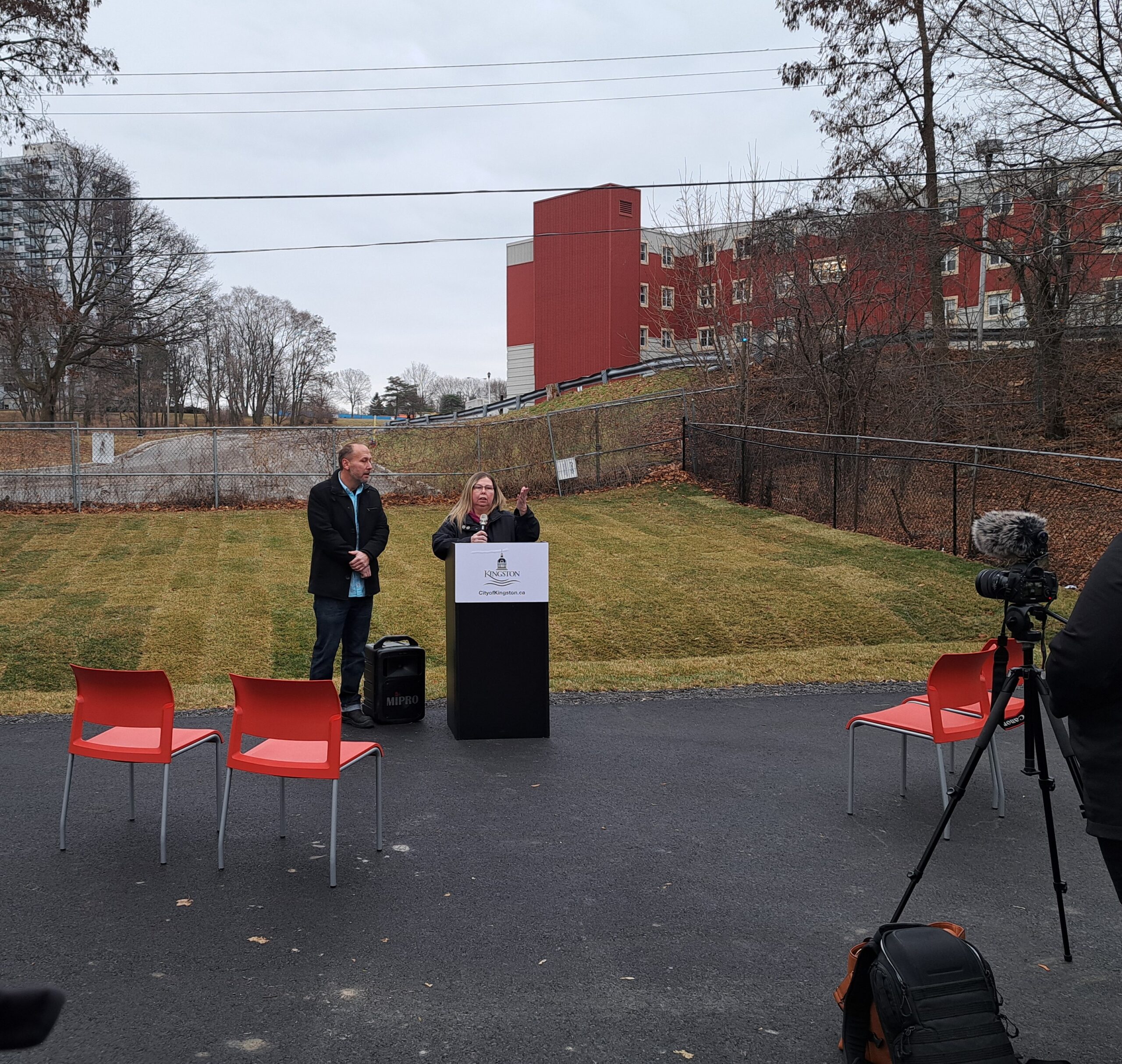
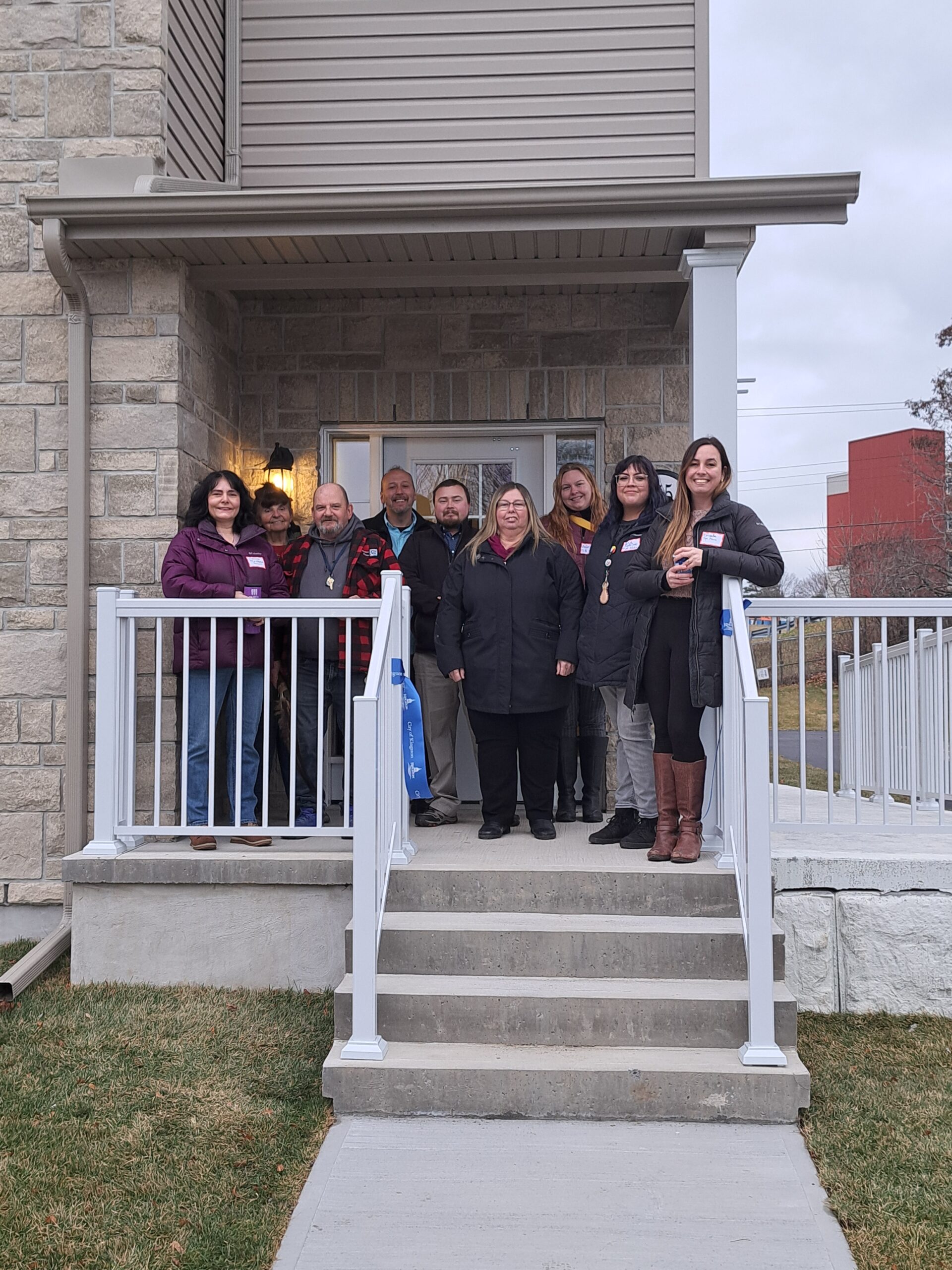
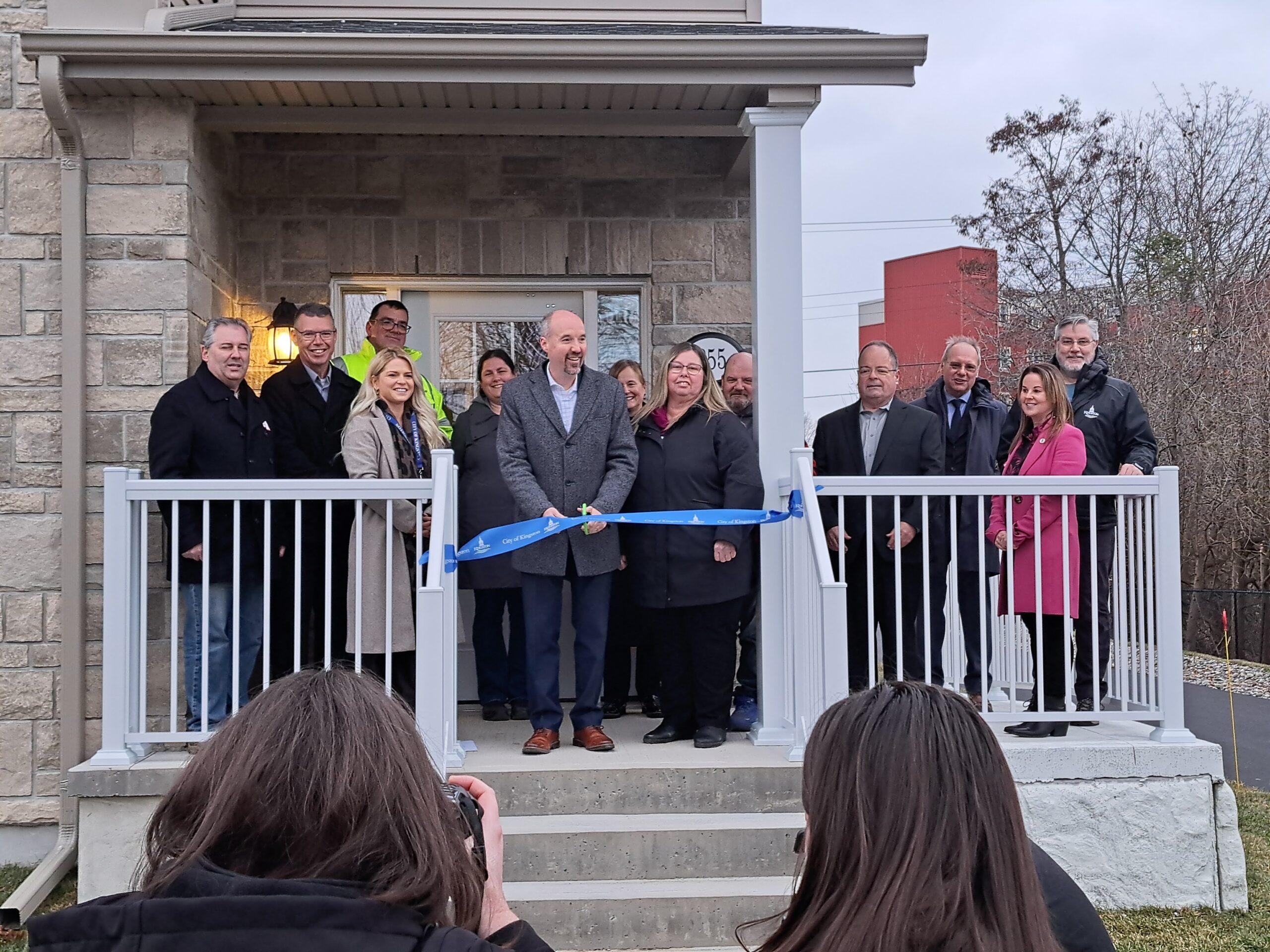
In December 2024, these collaborations also resulted in a new four-unit building at 255 Yonge Street, funded through CMHC’s Rapid Housing Initiative. This project illustrates how strong partnerships can turn available resources into housing solutions.
The ones who lead the way
Winnie Peters embodies what it means to be a leader in Ontario’s community housing sector. She navigates complex systems with compassion, makes whatever resources are available work, and ensures that cultural understanding remains at the heart of her work.
Her approach to leadership is grounded in respect and optimism. “I will continue to lead as I always have,” she said, “looking for the good in everyone, and encouraging both residents and staff to move forward in a good way on the journey we are on together.”
Peters’ success offers clear takeaways for the sector. She proves that effective Indigenous housing models can be built and that:
- Growth is possible with limited resources.
- Removing access barriers can be more effective than adding requirements.
- Cultural programming is essential for meaningful healing.
Most importantly, her work proves that one committed leader can transform an entire community’s approach to housing.
As we celebrate Winnie Peters’ well-deserved recognition, we’re reminded that the housing sector is filled with leaders who combine vision with action, compassion with results, and innovation with cultural understanding.
You know the ones, you see them everyday in your work. Nominations for the 2026 Sybil Frenette Outstanding Leadership Award are opening in March. Get ready to nominate someone who is leading the way!