
When Neighbours Become Lifelines
How three seniors transformed food insecurity into a model of tenant-led care
Seniors Supporting Seniors in Community Housing
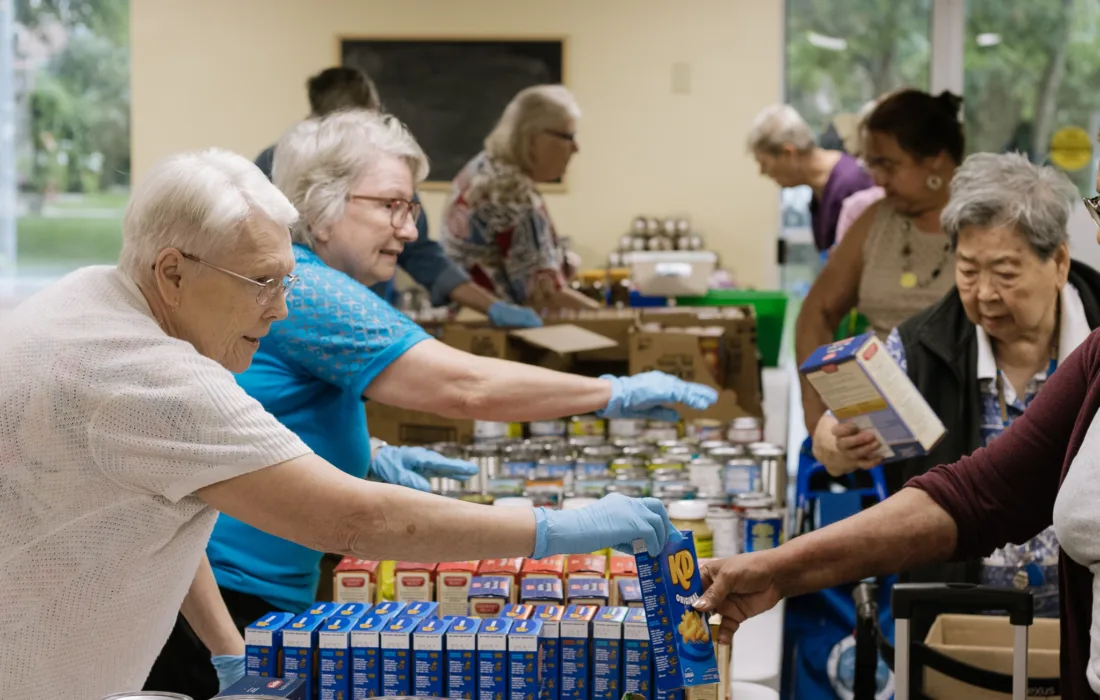
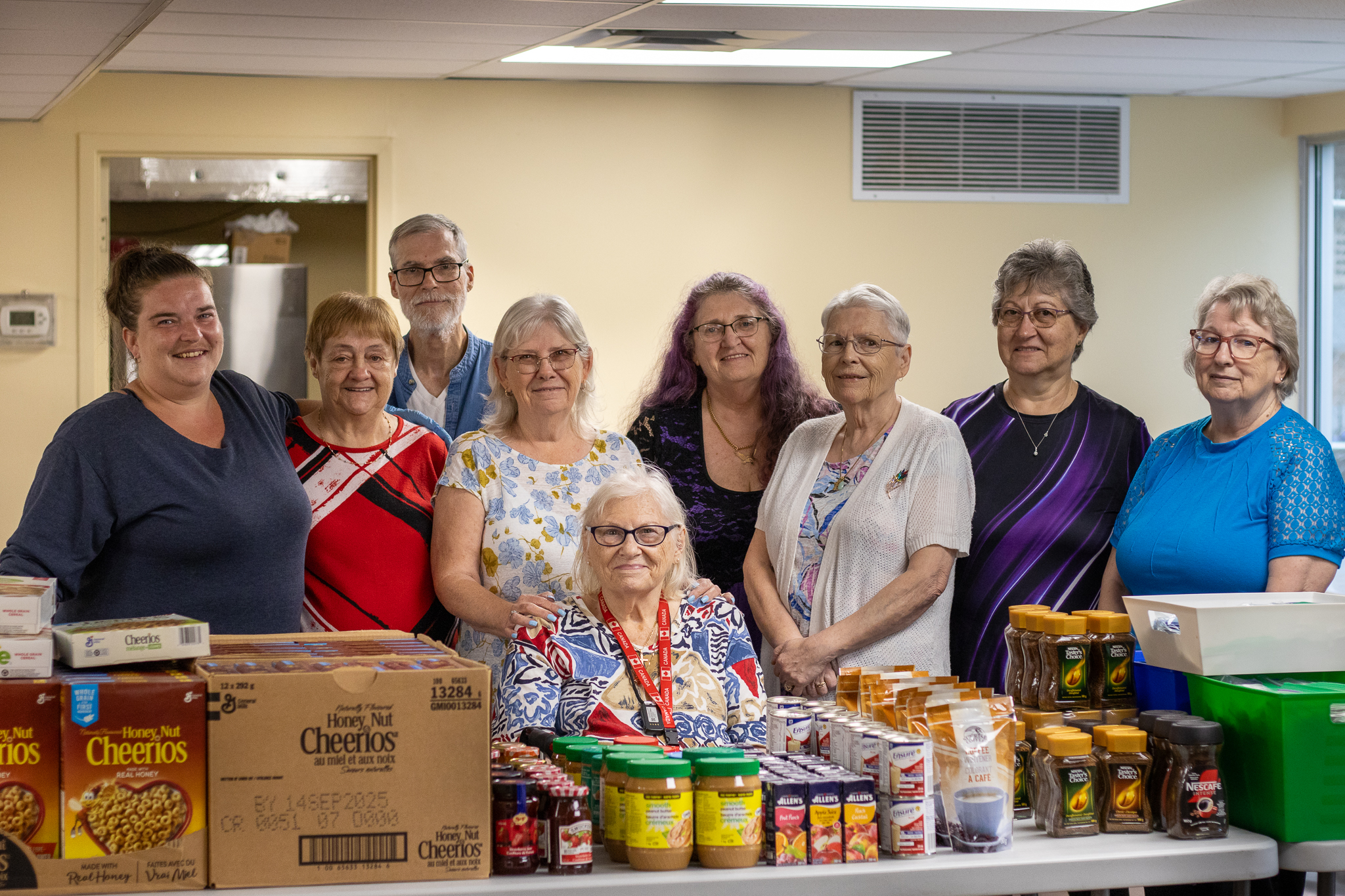
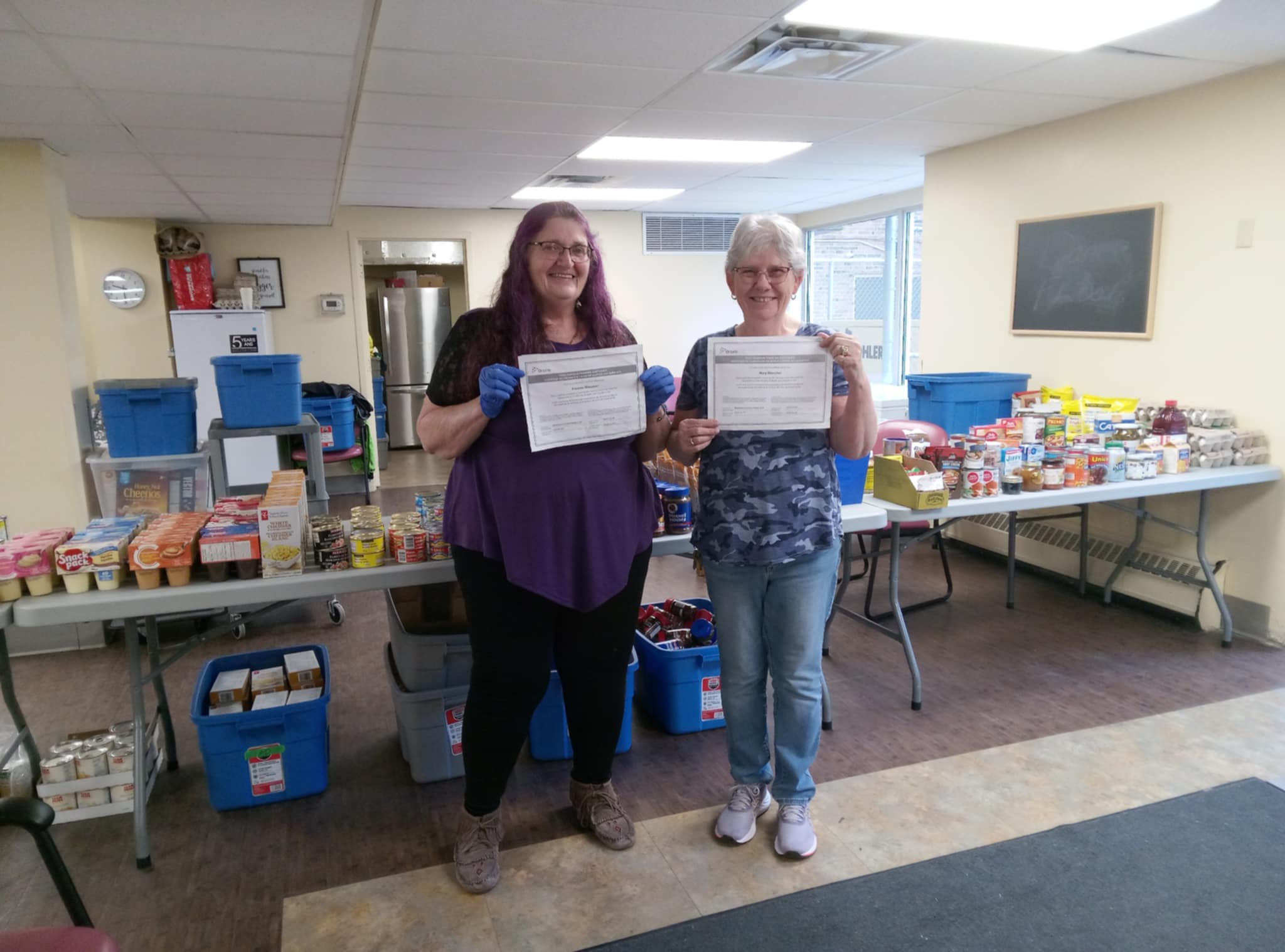
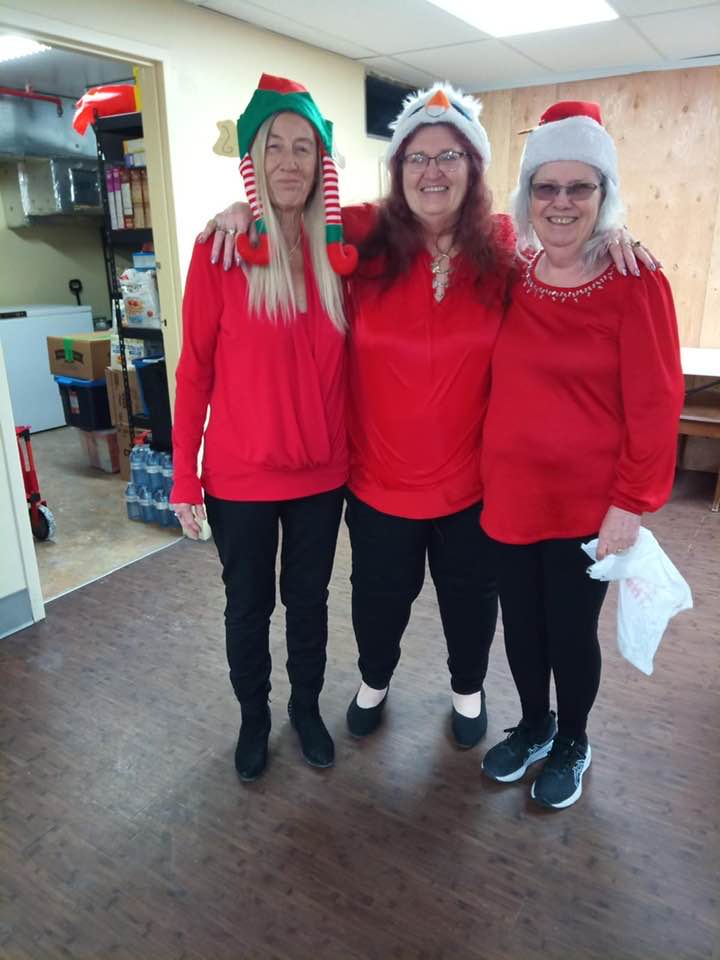
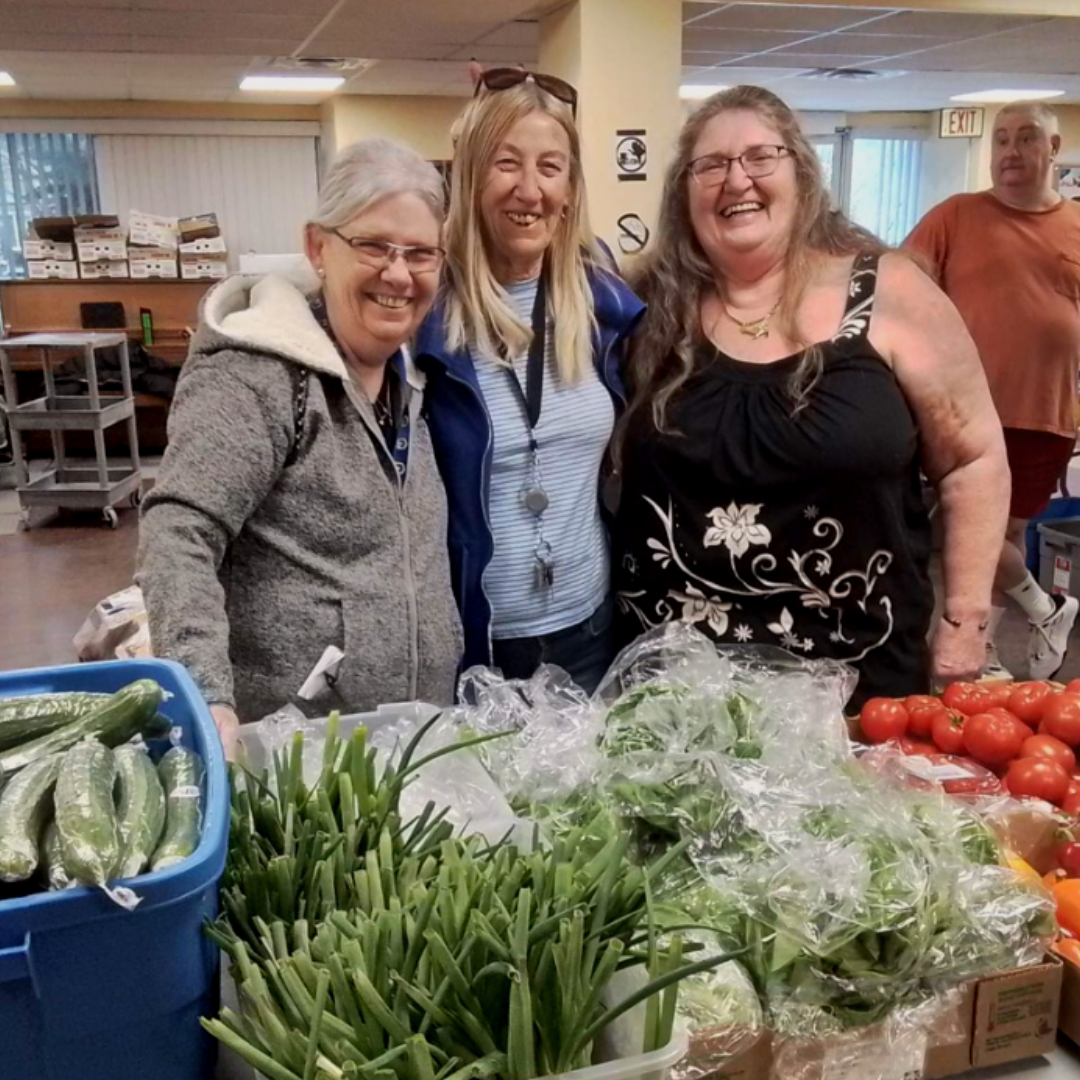
In a London and Middlesex Community Housing (LMHC) building, half the tenants now rely on a food bank run entirely by the people living there. It’s called the Caring Cupboard. It began with three women – Virginia Harrie, Fran Wassmer, and Mary Blancher – who refused to let their neighbours go hungry.
In 2019, they noticed a trend at 30 Baseline Road West. Tenants were having to choose between rent and groceries. Diminishing pensions and rising costs meant that people who had spent their lives building careers and raising families were suddenly choosing between medication and a meal.
Virginia, Fran, and Mary decided their building should be a place where no one had to make that choice.
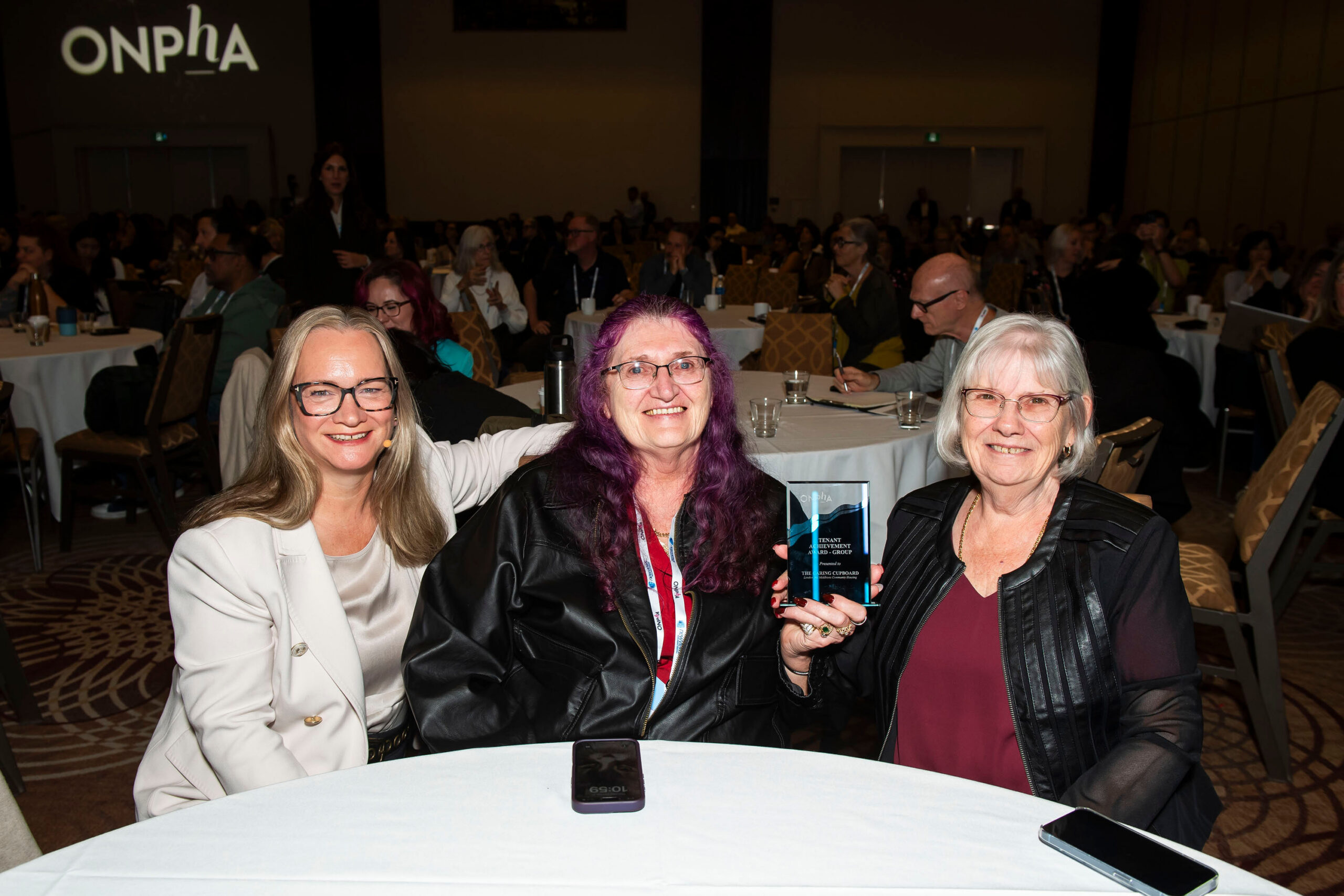
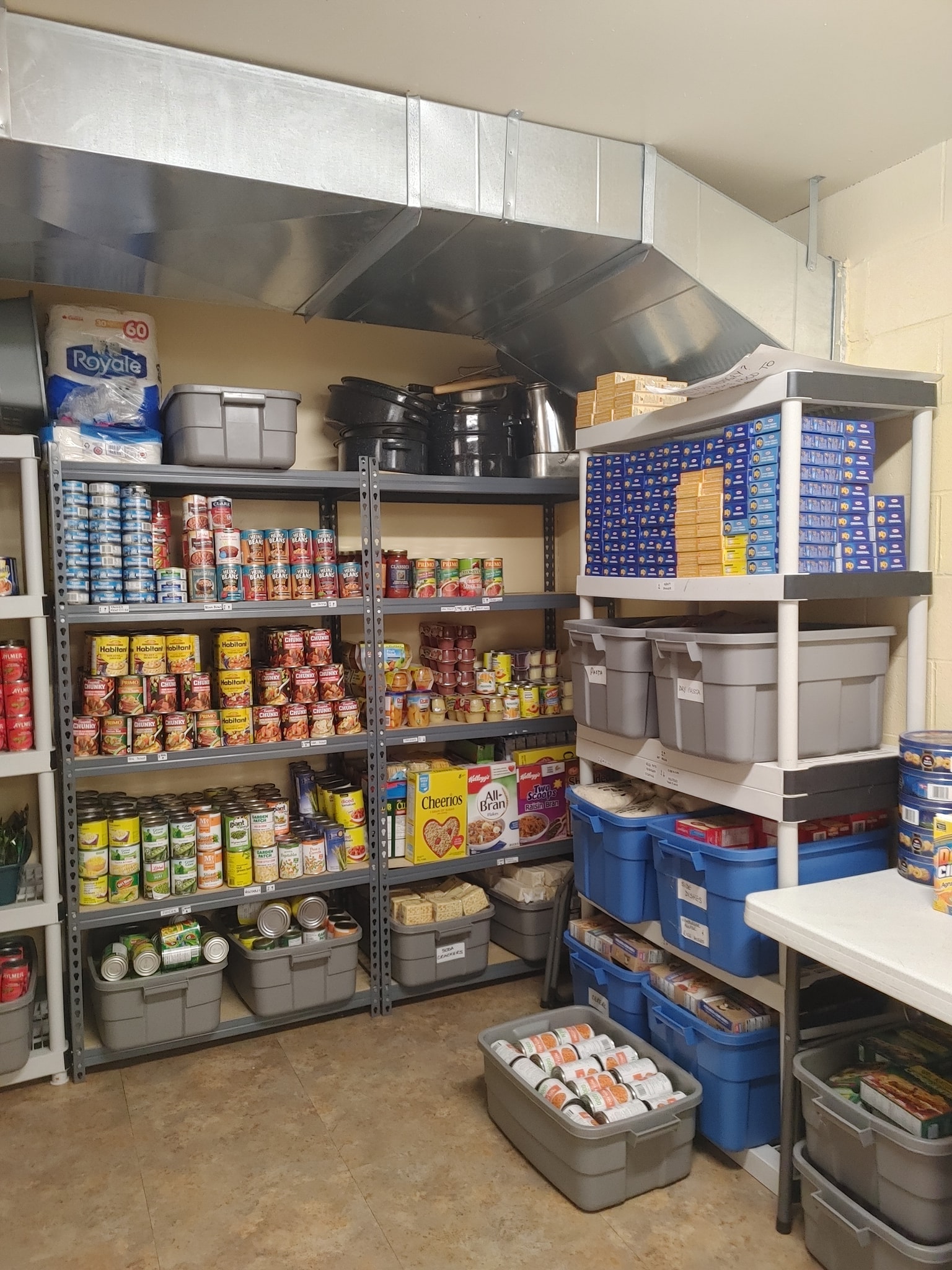
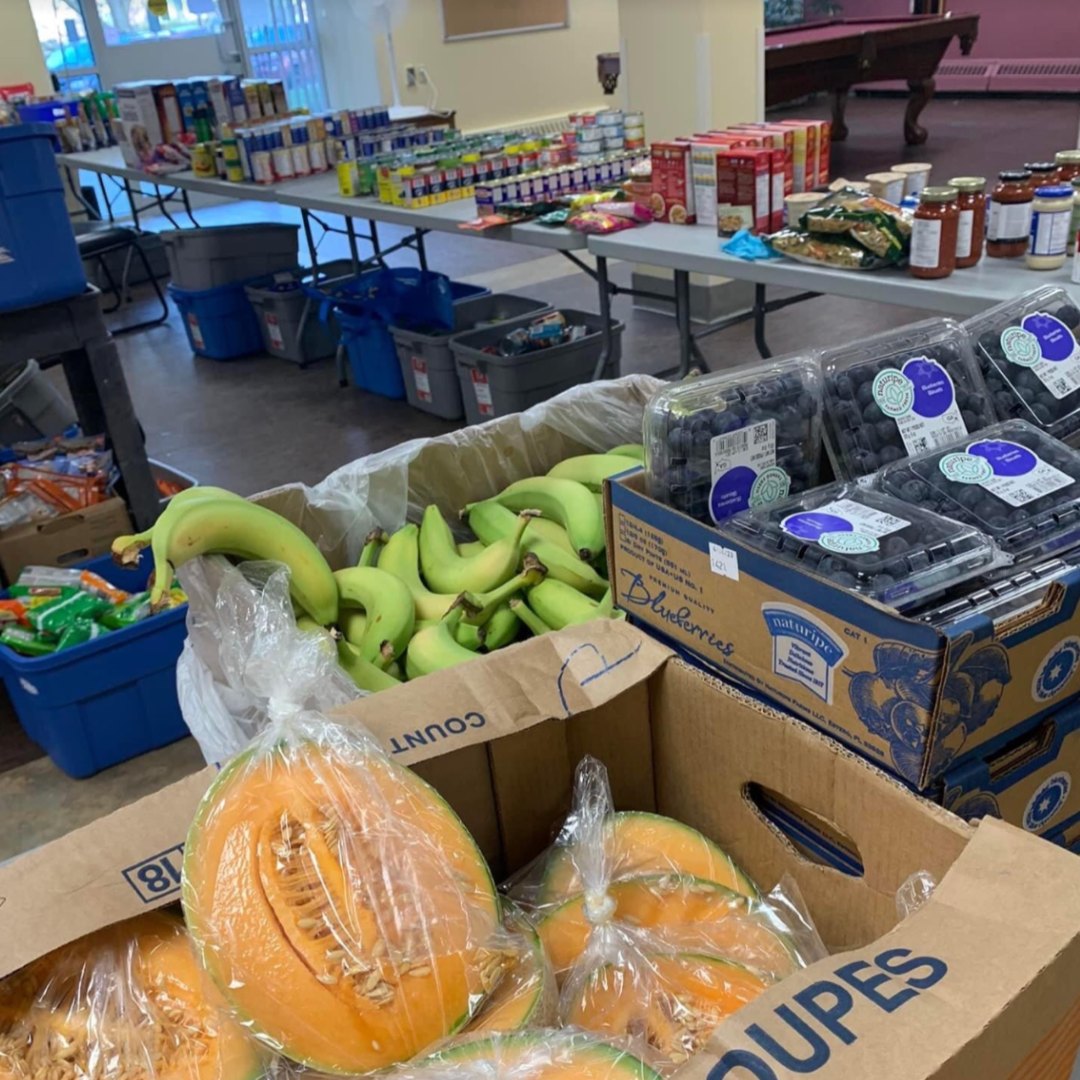
Today, the Caring Cupboard serves approximately 120 tenants each month, providing weekly fresh produce and bakery items. Their work earned them the Patrick Fleming Award in 2023 and the ONPHA Tenant Achievement Award in 2025.
When Food Security Becomes a Housing Issue
The Caring Cupboard responds to a challenge that has escalated rapidly across Ontario. Food insecurity rose from 12.1% in 2019 to 24.2% in 2023. Between April 2024 and March 2025, more than one million people in the province used a food bank, an 87% increase since 2019.
While seniors have historically experienced lower rates of food insecurity, 13% of Canadian seniors now face it. For those living in community housing, the challenge is particularly sharp. Many rely on fixed incomes that have not kept pace with inflation.
For some tenants, the Caring Cupboard is a vital bridge to stability. Many have recently experienced homelessness and arrive at LMCH with no food supplies at all.
Community Support in Action
The sustainability of the Caring Cupboard is rooted in its strong network of local partnerships. Virginia and Fran have partnered with nearby businesses and community organizations to build a web of support that stretches resources and strengthens the program. This collaborative approach has helped ensure the food bank remains resilient and responsive to growing demand.
The founders also leverage technology to help their neighbours save. Their Facebook page highlights local grocery deals and sales, helping followers stretch limited budgets as far as possible.

Why Tenant-Led Solutions Matter
The success of this initiative offers a blueprint for housing providers everywhere.
- Tenants understand local needs. Because the founders live in the building, they understand the specific barriers their neighbours face and know exactly what kind of support would make a difference.
- Proximity builds trust. An in-house food bank removes the stigma and logistical barriers that prevent some seniors from seeking help. Tenants receive support from people they know, in a place they call home.
- Peer support reduces isolation. The Caring Cupboard creates a welcoming environment were tenants feel valued and supported. Their empathy and compassion cultivates a sense of community that uplifts everyone.
- Volunteer-led models are sustainable. Operating entirely through volunteer effort ensures every donation goes directly towards food.
Do you know a tenant who is strengthening their communities? Nominations for the 2026 ONPHA Tenant Achievement Award are opening in March. Get ready!